

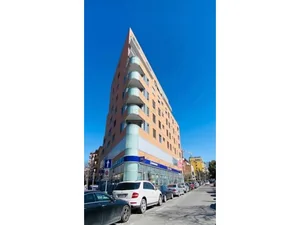
For rent
Century 21 Albania
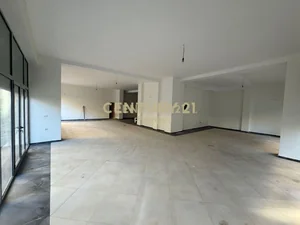
Commercial Space for Rent near Dinamo Stadium
800 EUR/month
Stadiumi Dinamo, Tiranë
- Rooms
- —
- Bathrooms
- 1
- Area
- 104.00 m²
7.69 EUR/m²/month
Property search
1787 properties found
800 EUR/month
Stadiumi Dinamo, Tiranë
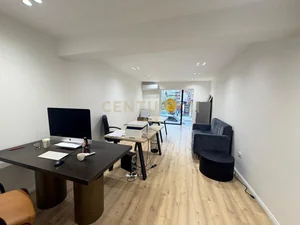
710 EUR/month
Tirana e Re, Tiranë
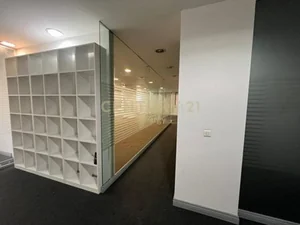
2,500 EUR/month
Zogu i Zi, Tiranë
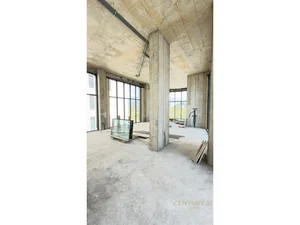
3,400 EUR/month
Tiranë
2,500 EUR/month
Lungomare, Vlorë
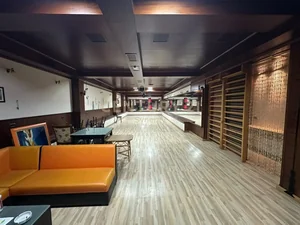
800 EUR/month
—
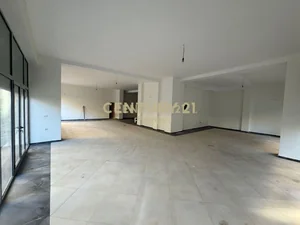
1,000 EUR/month
Lungomare, Vlorë
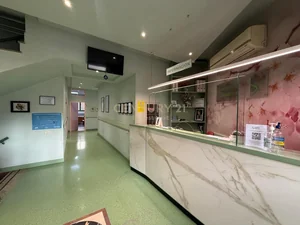
6,400 EUR/month
Pazari i Ri, Tiranë
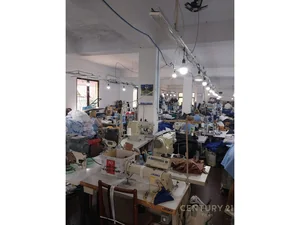
Price on request
Ali Demi, Tiranë
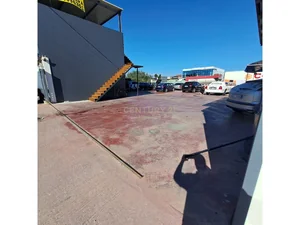
2,000 EUR/month
Ish-Këneta, Durrës
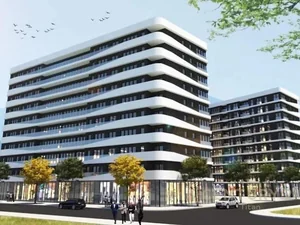
1,500 EUR/month
Kompleksi Parallel Living, përballë Gjykatës
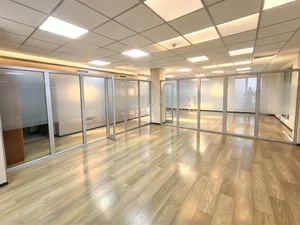
3,400 EUR/month
Tiranë
Monthly rent, EUR per month: from 125 to 58 000; prices published in 1631 of 1787 offers.
Advertised areas range from 11 to 18 000 m² across 1772 offers. Compare internal space and outdoor areas separately when choosing between them.
Facilities mentioned in the listings, by number of offers: Lift: 429; Parking: 216; Terrace: 119; Air conditioning: 84; Balcony: 69.
The right commercial space makes an ordinary working day easier for staff and customers: the entrance is easy to find, movement inside feels clear, and the activity can operate without unnecessarily disturbing neighbours. Before comparing appearance or furnishings, define what you will do there. A shop, office, service studio and food-preparation space have different needs for visibility, water, power, ventilation, storage and circulation.
Think of the premises as a workflow. In a shop, picture the counter, shelving, stock and customer movement together. In an office, consider whether work areas, reception and conversations can be arranged without avoidable noise. A room that looks spacious may lose useful area to corridors, columns, stairs or an awkward shape. Measure the key areas during a viewing and ask how the area being rented is calculated.
Separate essential requirements from preferences. A direct street entrance may matter greatly for retail, but less for an office where visits are arranged in advance. An upper floor may be quieter, depending on its orientation, access and how easily visitors can find it. Do not treat a visible frontage as guaranteed custom; observe the area at different times and consider whether your activity suits its daily rhythm.
In Tirana, access to workplaces, educational institutions, transport and services can shape how staff and customers arrive, while busy streets and limited parking can complicate deliveries. Durres is a working port city throughout the year, whereas its beach districts have a different character from the centre. Golem and Qerret are more resort-oriented. Vlore has an urban waterfront; Sarande and Ksamil have more seasonal settings. These contrasts help frame your questions, but do not establish steady demand for a particular business.
Look at the frontage from the direction customers are likely to approach, and check visibility from both sides of the street. Ask about rights and restrictions for signs, awnings, window displays and goods outside. For a business that receives supplies, check where a vehicle can stop, how loading works and whether goods have to pass through the public entrance. For an office or appointment-based service, assess orientation, daylight, noise and how visitors will identify the entrance.
Do not rely on a single visit during a quiet hour. Return when the business would normally operate and observe noise, pedestrian activity, traffic, entrance lighting and use of shared areas. Ask whether water and electricity supply, suitable internet, ventilation, drainage and waste arrangements meet your needs. For food businesses or services using equipment, get qualified advice on whether the existing infrastructure can support your specific requirements rather than assuming that it can.
Compare the full cost of occupying the space, not just the monthly rent. Ask which expenses are separate, how shared charges are calculated, and who pays for electricity, water, internet, cleaning, security, equipment maintenance and repairs. Clarify whether a deposit or advance payment is required, what happens to it at the end, and how the initial condition and handover will be recorded. Also plan for alterations, signs, furniture, equipment and any agreed work to return the premises to its former condition.
During the viewing, open doors and windows and look for damp, marks, cracks, problems with floors or ceilings, and noise from corridors or neighbouring premises. Test the lighting and, where possible, equipment and water points. Ask who handles faults, how quickly they are addressed and whether necessary work can be completed before you move in. Record what stays, what can be removed and whether changes require written approval.
Have a qualified local professional help you understand the rental terms. Check the term, renewal, notice for leaving, subletting rules, rent changes and responsibility for repairs. Clarify the permitted activity, opening hours, access to the premises and use of shared areas. Do not assume that every business activity is allowed simply because the unit is commercial; verify separately what can legally and practically be carried out at that location.
Ask a qualified local lawyer or other relevant professional to review the appropriate documents. These may include ownership papers and cadastral records, the identity and authority of the person offering the premises, and whether the unit and recorded area correspond to the space in front of you. If a representative will sign, ask for the documents establishing their authority to be reviewed. Raise any encumbrances, co-ownership, agreements or restrictions that could affect use; the professional can advise which checks apply to your circumstances.
Ask direct questions: Have there been leaks or problems with installations? Which equipment is included, and who maintains it? Are there unpaid service charges that could affect occupation? How will the condition be recorded at handover? Ask for agreed terms, an inventory, photographs and responsibility for works to be captured in the agreement or handover record. If you plan alterations, clarify approvals in advance and have the relevant documents checked.
A sound choice depends on the fit between your activity, the premises, the agreement and the everyday budget. Compare the ability to receive customers, bring in supplies, organise staff and manage expenses in ordinary months, not just the busiest periods. A simpler space may be more practical if it has clear access and suitable conditions; an attractive display window may not be worthwhile if operating it requires costly alterations or unclear arrangements.
