

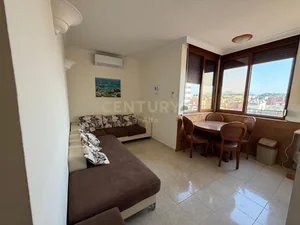
For sale
Century 21 Albania
2+1 Apartment for Sale near the Ballet School
208,000 EUR
Pranë Shkollës së Baletit, Tiranë
- Rooms
- 2
- Bathrooms
- 1
- Area
- 90.00 m²
2311.11 EUR/m²
Property search
12931 properties found
208,000 EUR
Pranë Shkollës së Baletit, Tiranë
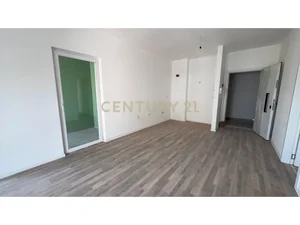
137,605 EUR
Tiranë
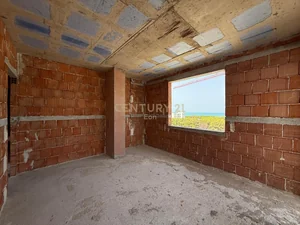
112,590 EUR
—
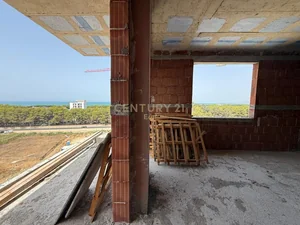
112,590 EUR
—
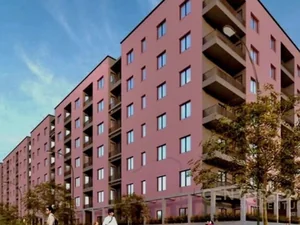
150,000 EUR
Paskuqan
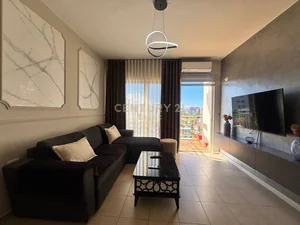
128,000 EUR
Ish-Fusha e Aviacionit, Tiranë
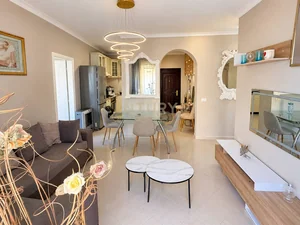
80,000 EUR
Shkëmbi i Kavajës, Durrës
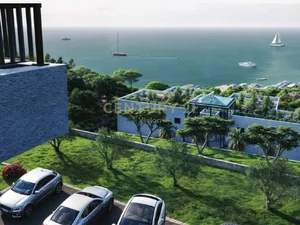
Price on request
Ulqin
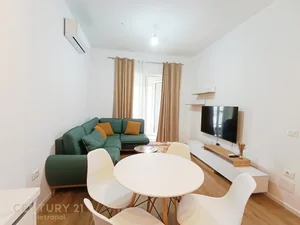
150,000 EUR
Rezidenca Kaimi, Tiranë
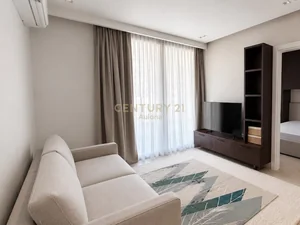
160,000 EUR
Uji i Ftohtë, Vlorë
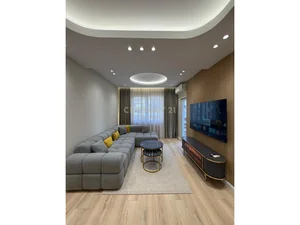
199,000 EUR
Astir, Tiranë
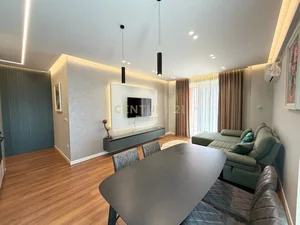
350,000 EUR
Foleja e Gjelbër, Tiranë
Sale, EUR total: from 600 to 12 134 000; prices published in 11867 of 12931 offers.
Property types in this selection: Apartments: 10605; Studios: 771; Commercial premises: 583; Duplexes: 425; Penthouses: 199.
Bedroom options, by number of listings: bedrooms: 1, listings: 6852; bedrooms: 2, listings: 4328; bedrooms: 3, listings: 848.
Facilities mentioned in the listings, by number of offers: Lift: 12931; Balcony: 5025; Parking: 2335; Sea view: 1606; Terrace: 1341.
Furnishing options: Furnished: 1666; Partly furnished: 211; Unfurnished: 5412.
A lift can make coming home easier after work, help when carrying groceries, or matter to anyone who wants fewer stairs in their routine. But property with a lift is not one single type of purchase: it can include apartments, business premises and other property, in buildings of different ages, upkeep and patterns of use. Consider the lift alongside the property and its neighbourhood, rather than as a feature on its own.
Start by thinking about who will use the property and how often. An apartment on an upper floor may suit you if the lift works reliably, but stairs still matter during an outage or maintenance. For business premises, access for customers and suppliers, building rules and the lift’s connection to the entrance are important. The presence of a lift does not automatically mean step-free access, a ramp, a wheelchair-accessible entrance, or service to every floor.
Location matters just as much as the building. Tirana is an urban work and study market, so travel to work, education, services and everyday transport may count more than a view. Durres is an active Adriatic port city, and its centre and beach districts have different rhythms. Golem and Qerret are more resort-oriented, Vlore has an urban waterfront, while Sarande and Ksamil are seasonal coastal settings. These contrasts help you think about use; they do not guarantee quiet, easy access or particular services.
When viewing an apartment, assess the layout separately from the lift. Check whether rooms have adequate light and ventilation, how the kitchen connects to living space, where belongings can be stored, and whether there is noise from the corridor or street. Areas recorded in documents and the way a property is used may not tell the same story, so ask a qualified local professional to review the paperwork and any possible discrepancies. Do not assume that a lift or shared spaces form part of private ownership.
If possible, try the lift at different times during your visit. Ask who maintains it, how often it is inspected, how faults are reported and what happens during a power cut. Notice whether the car stops at the property’s floor, whether the doors open easily, and whether the corridor, stairs and entrance are usable and maintained. Ask residents or the building manager about recent periods when the lift was out of service, while treating their answers as experience, not a guarantee about the future.
In an apartment building, the lift is part of shared use, and management quality can affect convenience. Compare its upkeep with the condition of the stairs, lighting, entrance, roof and other common areas. If the property is for business, consider whether customers can find the entrance, whether circulation is suitable and whether the intended use fits the building’s rules. A lift that works for residents is not necessarily suited to goods or constant use by the public.
Look at the surrounding area at different times of day. Consider how easily you can reach shops, health services, schools, public transport and the routes you normally use. Check whether parking is available and how vehicle access is arranged, but do not equate having a lift with having parking. In coastal areas, distinguish everyday life from seasonal activity and ask about noise, traffic and services that may vary by period. Do not assume the property has a sea view or direct beach access.
Ask about costs associated with using both the property and the building. Possible expenses include shared management, lift maintenance and repairs, cleaning, lighting in common areas, energy, water, heating or cooling, internet and suitable insurance. For business premises, also account for upkeep of the entrance and areas used by customers. Ask to see how payments are recorded and whether work is planned; amounts and responsibilities depend on the building and relevant arrangements.
Before committing, ask a qualified local professional to review the property documents and clarify ownership, the unit’s boundaries, recorded areas, rights over common spaces and any registered burden or restriction. Also ask about building documents, its management and agreements or obligations for lift maintenance. For an apartment, compare the physical condition with the paperwork; for a business, clarify the unit’s permitted use and access. Professional review helps ground decisions in documents and actual conditions rather than assumptions.
A lift can add convenience, but it is mechanical equipment that needs servicing and may need repairs. Consider whether your budget can cover regular building expenses and contributions to shared works, in addition to costs inside the property. A taller or more intensively used building may have different needs from a smaller one; do not draw conclusions from the appearance of the lift alone. Ask for documented maintenance information and review it with your professional adviser.
The most useful comparison is between properties that serve the same routine. A lower-floor home without a lift may be practical for some buyers, while lift access is a significant priority for others. In an older building, the existence of a lift does not replace an assessment of the overall condition, installations and common areas. In a newer building, do not take good maintenance for granted either. Weigh floor, layout, light, privacy, access and costs together.
For a clear choice, write down what you need every day and which compromises you can accept. Visit the entrance and lift, look around the neighbourhood, ask specific questions about operation and costs, then have the documents professionally reviewed. A suitable property with a lift is one that matches your lifestyle or work, your capacity for upkeep and the building’s actual condition. This keeps the comparison practical, without confusing a useful feature with a guarantee of comfort or future value.
