

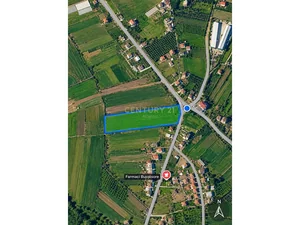
For sale
Century 21 Atlantic
Land for Sale in Shijak, Durrës, 7,440 m²
Price on request
Durrës, Shijak
- Rooms
- —
- Bathrooms
- —
- Area
- 7440.00 m²
Property search
1483 properties found
Price on request
Durrës, Shijak
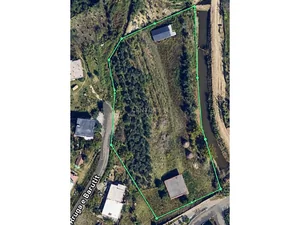
240,000 EUR
Spitallë, Durrës
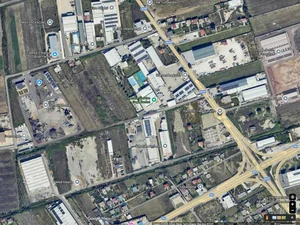
385,000 EUR
Xhafzotaj, Durrës
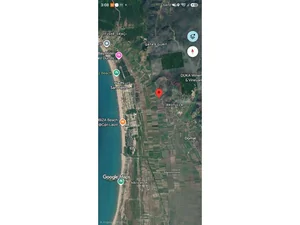
799,000 EUR
Gjiri i Lalëzit, Gjiri i Lalëzit
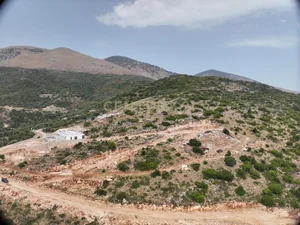
180,000 EUR
Lukovë
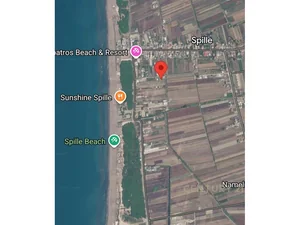
110,000 EUR
Spille
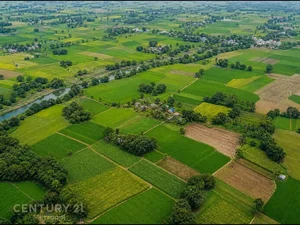
385,000 EUR
Pezë e Vogël
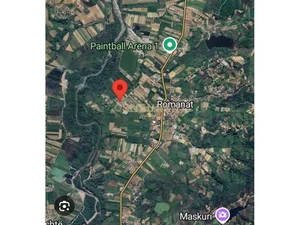
80,000 EUR
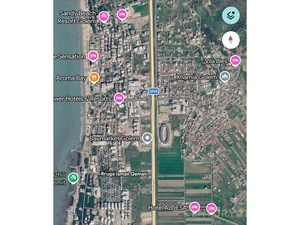
Romanat, Durrës
1,000,000 EUR
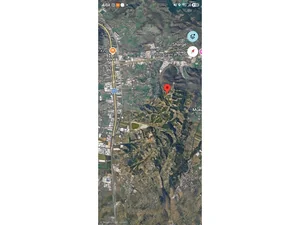
Mali i Robit, Golem
70,000 EUR
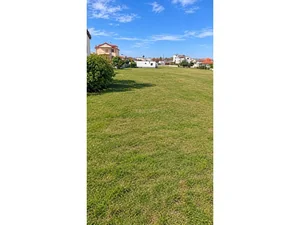
Vorë
120,000 EUR
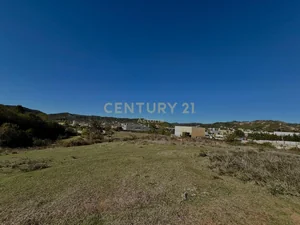
—
1,400,000 EUR
Vorë
Sale, EUR total: from 40 to 11 991 600; prices published in 1337 of 1483 offers.
Advertised areas range from 4 to 1 998 600 m² across 1479 offers. Compare internal space and outdoor areas separately when choosing between them.
Facilities mentioned in the listings, by number of offers: Sea view: 122; Mountain view: 58; City view: 28; Garden: 12; Parking: 7.
A plot can be the starting point for a family home, a garden with room for relatives, or a smaller project developed over time. But land is not a finished space that can automatically be used as you wish. Its practical value depends on boundaries, access, slope, services and the use that can be confirmed for that particular parcel. Begin your comparison by stating your purpose clearly, then consider whether the land and location support it.
Think through how you would reach the site in ordinary weather, carry materials to it and maintain it if it remains empty for a while. A parcel that looks appealing during a brief visit may feel less suitable if the entrance is difficult, the ground is uneven or routine services are far away. Conversely, a simple plot near established roads may be more useful for your plans than a more dramatic location. Separate what you can see from what needs professional or official confirmation.
During a viewing, walk the full parcel if possible and compare its shape with any available map or documents. Note slopes, changes in level, drainage channels, retaining walls and visible boundary markers, without treating fences or old markers as definitive proof of the boundary. Level land may be easier to plan, while sloping ground can require additional work. Ask a qualified local professional to explain the practical implications for the specific site.
A road visible from the property does not by itself establish a legal right of access. Ask how the land is reached, whether the route is usable throughout the year and who maintains it. Consider distance to everyday services, work, schools or the coast according to your needs, without assuming that proximity means a sea view, beach access or guaranteed services. In settled areas, pay attention to traffic, noise and the way neighbouring plots are used.
Consider orientation, shade and exposure to wind, as well as the route rainwater takes across the ground. Think about where an entrance, parking, outdoor space and possible service connections might go, but do not treat any of these as feasible until they have been checked. For agricultural or remote land, check whether equipment can get in and what routine upkeep would involve. A larger plot is not necessarily more useful if parts of it are difficult to reach or use.
Ask specific questions about the area, parcel shape, claimed boundaries and history of use. Request the relevant documents and have a qualified local professional, such as a lawyer, surveyor or other specialist as appropriate, review them. The review may include identifying the property in the relevant records and maps, comparing documents with the ground conditions, and checking for co-ownership, encumbrances, restrictions or claims that could affect the transaction.
Do not rely solely on a seller’s account of permitted use, building possibilities or service connections. Ask the professional to verify which documents apply to the parcel and what should be checked with the responsible authorities. Ask separately about right of way, water and electricity connections, sewerage or other possible solutions, and any known restrictions. A technically possible connection is not the same as an existing or assured connection.
If the property is being sold as a portion of a larger holding, establish whether the division is reflected in the relevant documents and how the boundaries are marked. A professional survey can help clarify discrepancies, but it does not replace legal review. Also ask whether there are agreements governing shared roads or resources. Keep answers in writing, and do not confuse the presence of a road, pole or pipe near the land with a right to use it.
The purchase price is only one part of the budget. Allow for professional advice, surveying, document checks and any preparation the land may need. Depending on its condition and your plans, expenses might include clearing, drainage assessment, grading, slope stabilisation, access maintenance or fencing. Avoid commissioning irreversible work before you understand the boundaries and possible use of the parcel.
Ongoing costs can include vegetation clearance, maintenance of the access route, rainwater management, fence checks and property-related services, depending on the circumstances and any agreements. Even unused land may need attention, particularly if weeds grow, rubbish accumulates or weather damages the route. Ask who currently takes care of these matters and what work has recently been done.
Before deciding, compare parcels with similar purposes, size, topography and access. Write down what has been verified, what remains unclear and which answers you need from professionals or the relevant authorities. If your plan depends on a particular use, treat confirmation as an important decision point, not an assumption. A suitable plot is one that fits your needs and budget, with its essential facts carefully reviewed.
