

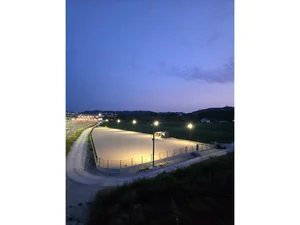
For rent
Century 21 Albania
2,800 m² Commercial Land for Rent in Rinas, Near the …
1,800 EUR/month
Rinas
- Rooms
- —
- Bathrooms
- —
- Area
- 2800.00 m²
0.64 EUR/m²/month
Property search
52 properties found
1,800 EUR/month
Rinas
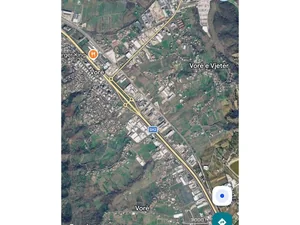
1,200 EUR/month
Vorë
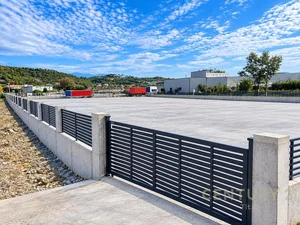
2,230 EUR/month
Prush
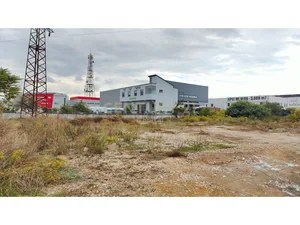
4,000 EUR/month
Tiranë
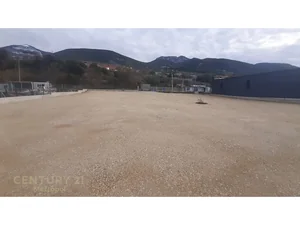
1,300 EUR/month
Rruga Myslym Keta
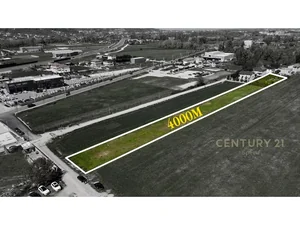
Price on request
Rinasi
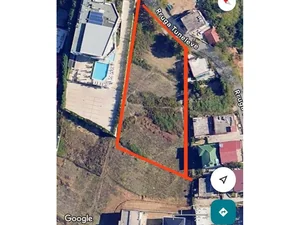
1,500 EUR/month
Farkë, Lundër, Tiranë
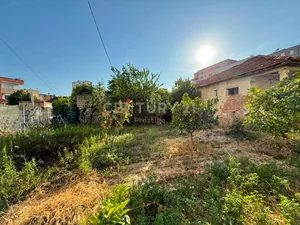
2,000 EUR/month
Pranë ish-Tregut të Vjetër Elektrik, Tiranë
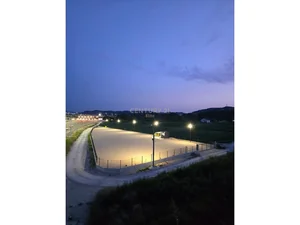
2,500 EUR/month
Rinas
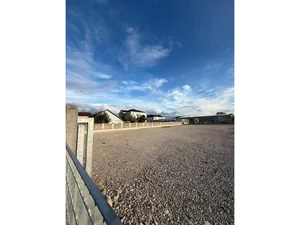
1,500 EUR/month
Rinas
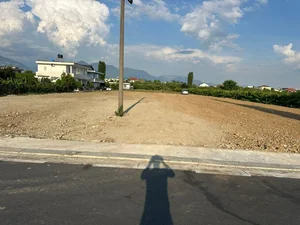
1,000 EUR/month
Tiranë
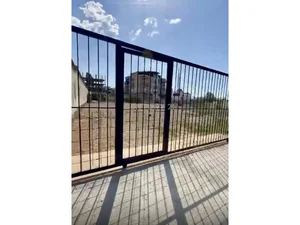
600 EUR/month
Sauk, Tiranë
Monthly rent, EUR per month: from 500 to 12 000; prices published in 43 of 52 offers.
Advertised areas range from 255 to 40 000 m² across 52 offers. Compare internal space and outdoor areas separately when choosing between them.
Facilities mentioned in the listings, by number of offers: Parking: 2; Garage: 1; Garden: 1; Sea view: 1.
A suitable plot for parking, storage or cultivation can make everyday work easier, but rented land is not automatically usable for every purpose. Before comparing areas, decide what you plan to do there, for how long and what infrastructure the activity needs. An open parcel may suit keeping vehicles or materials, while cultivation depends on soil, water and exposure. Commercial use may require suitable access, utilities or other conditions that need separate verification. Think about daily movement as well: who needs to enter, what vehicles will come and whether the site has room for loading, turning or working safely.
Descriptions of possible use are not a substitute for checking. Explain your intended activity to a qualified local professional and ask them to review whether it fits the parcel’s status and documents, local rules and proposed lease. Do not assume you may build, place temporary structures, install equipment or change the use. Ask for permitted activities, restrictions and responsibility for any required approvals to be clarified in writing. Avoid relying on verbal assurances, particularly where your plans depend on construction, regular public access or a connection to utilities.
During a viewing, walk the whole plot and compare visible boundaries with the available documents. Ask whether the area offered corresponds to what can be identified on the ground and in the paperwork, and whether there are overlaps, disputes or shared edges. Clarify who maintains any fence. If boundaries are uncertain, do not rely on a line pointed out informally; ask a suitable qualified professional to review the documents and advise whether a qualified survey is needed. Establish exactly what area the lease covers, including any entrance, shared track or space needed to manoeuvre.
Check the route from a public road and your right to use it throughout the lease. A narrow lane, steep gradient, muddy surface after rain, drainage ditch or sharp turn can complicate deliveries, vehicles and daily work. Ask whether access is private or shared, who maintains it and how passage is arranged for users, customers or service vehicles. Look for standing water, erosion, wind exposure and proximity to homes or other activities. For farming, assess the soil and slope; for storage or work, consider whether the ground is safe and usable. Visit after rain if possible, and ask how seasonal conditions affect access and drainage.
Choose a location for the routine your activity requires, not just for how convenient it looks on a map. In Tirana, proximity to work, study and supply areas may be useful, while congestion and difficult entry can affect delivery schedules. Durres is a working Adriatic port city, and its beach districts differ from the centre; Golem and Qerret are more resort-oriented. Vlore combines an urban setting with a waterfront, while Sarande and Ksamil are seasonal coastal settings. Consider these differences against your own operating needs, without assuming sea access, a sea view or any particular service.
During a visit, try the journey at the times you would actually travel and ask how access and services change through the seasons. Verify whether electricity, water, drainage, internet and lighting are available, and whether an existing connection can be used by a tenant. Ask about capacity, connection points and meters, and who pays for installation and maintenance. If the activity involves frequent transport, check access for larger vehicles, room to turn and the distance to suppliers, workers or customers. A quieter or less costly-to-rent location can require more coordination and transport spending, so compare the full routine rather than the lease payment alone.
Before paying a deposit or rent, ask a qualified local lawyer to review ownership documents, the landlord’s identity and authority to lease the land, and any authorisation or co-owner agreement that may be needed. Have them check the parcel description and boundaries, lease duration, permitted use, renewal, termination notice, deposit, liability for damage and dispute arrangements. If you plan to add fencing, lighting, equipment or removable structures, put permission, payment responsibility and what happens to the items at the end of the lease in writing. Clarify whether the landlord can enter the plot and under what conditions, especially if you need secure storage or regular operations.
Budget beyond the rent. Possible costs include a deposit, initial clearing, levelling, drainage, fencing, security, utility connections and meters, electricity and water based on use, and maintenance of the access route. Your activity may also bring expenses for waste, equipment, insurance, storage or transport. Set out which costs and repairs are yours and which belong to the landlord, how expenses are recorded and who arranges work. Ask how quickly urgent repairs can be handled and whether access will remain available during maintenance. A clear agreement, identifiable boundaries and verified access help you judge whether the land supports your daily needs without relying on assumptions.
