

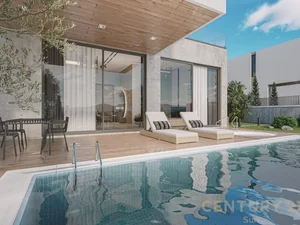
For sale
Century 21 Albania
Villa for Sale with Pool in Farkë
Price on request
Farkë, Tiranë
- Rooms
- 3
- Bathrooms
- 4
- Area
- 529.00 m²
Property search
1589 properties found
Price on request
Farkë, Tiranë
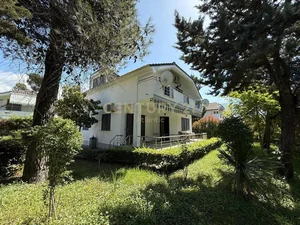
500,000 EUR
Pishat e Buta, Golem
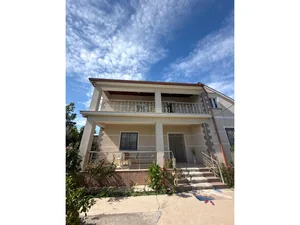
270,000 EUR
Kiras, Shkodër
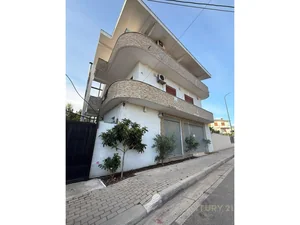
450,000 EUR
Pranë Institutit Bujqësor
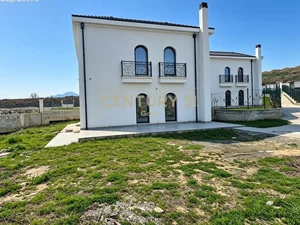
650,000 EUR
Mjull-Bathore
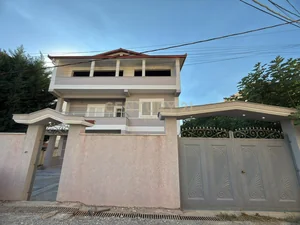
400,000 EUR
Arapaj, Durrës
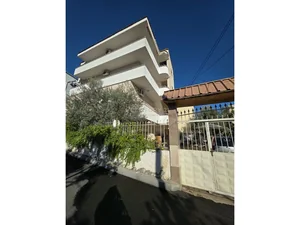
Price on request
Instituti Bujqësor, Tiranë
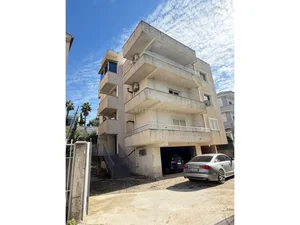
600,000 EUR
Plepa, Durrës
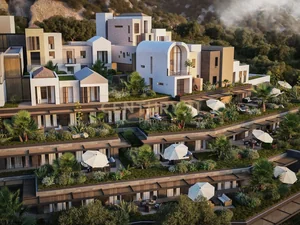
1,080,000 EUR
Green Coast 2, Palasë
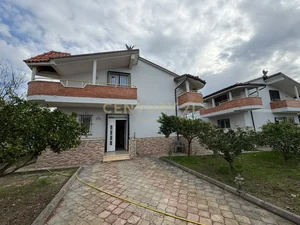
400,000 EUR
Hamallaj
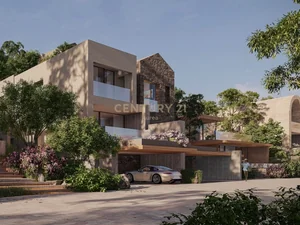
Price on request
Green Coast 2, Palasë
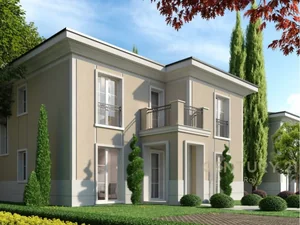
1,200,000 EUR
Farkë, Rolling Hills Liqeni, Tiranë
Sale, EUR total: from 65 000 to 4 000 000; prices published in 1388 of 1589 offers.
Advertised areas range from 60 to 17 000 m² across 1556 offers. Compare internal space and outdoor areas separately when choosing between them.
Bedroom options, by number of listings: bedrooms: 3, listings: 533; bedrooms: 4, listings: 435; bedrooms: 5, listings: 165.
Facilities mentioned in the listings, by number of offers: Parking: 840; Terrace: 758; Garden: 745; Balcony: 491; Pool: 435.
Furnishing options: Furnished: 379; Partly furnished: 85; Unfurnished: 430.
A morning in a villa might begin with the garden door open, a workroom away from the living space, or enough room to bring the family around one table. That independence is appealing, but a detached home calls for more attention than an apartment: the buyer takes on not only the rooms, but also the exterior, roof, garden and often the property’s utility systems.
When comparing villas for sale in Albania, start with everyday use. Will it be your main home, a weekend place, or a home for several generations? Note how many bedrooms you genuinely need, whether you want a work area, storage, parking on the plot, or a floor that works for someone who finds stairs difficult. A high room count is no substitute for an understandable layout and good natural light.
Compare the purchase with the condition of the home and the ongoing costs of using it. A ready-to-use villa may offer immediate comfort, while future furnishing or renovation is a separate consideration. An older house with a garden may have character, but the roof, damp, wiring and insulation can need work. Allow time and money for a technical inspection, repairs, cleaning and outdoor care, not just decoration.
A villa in Tirana may suit urban work, study and daily commitments, but a quiet street alone does not tell you how easily you can reach the places you visit regularly. Try the journeys at different times and notice pavements, noise, lighting, nearby services and vehicle access. For a home on the outskirts, ask how water supply, drainage and waste collection work, and who looks after the access road.
In Durres, the working port city and its beach districts have different rhythms; a coastal address should not be treated as a substitute for a year-round residential centre. Golem and Qerret have a more resort-oriented character, so consider how quiet, traffic and open services change outside the season. Vlore combines urban life with a waterfront, while Sarande and Ksamil can feel markedly different from one season to another. If possible, visit the area at more than one time.
Do not confuse being near the sea with a sea view, guaranteed beach access or a convenient route for daily use. In any town, consider the home’s orientation, exposure to sun, wind and noise, and privacy from neighbouring properties. A sunny garden can be pleasant but may need shade and watering; a sheltered yard may be more practical but receive less light. Think about how you would use the space in each season.
During a viewing, walk through the villa as if you were going about an ordinary day. Does the kitchen connect to dining without passing through bedrooms? Is there enough storage, and can rooms be used without walking through one another? In a multi-storey home, assess the stairs, bathrooms on each level and whether the main bedroom could be on the ground floor. For an extended family, separate entrances or zones may add privacy, but only if the arrangement works in practice.
Look closely for signs of damp, cracks, roof condition, windows, doors, stairs and floors. Run the taps, test the drains and note the water pressure; ask about heating, cooling and hot-water supply. Find out when equipment was checked or repaired, whether there is a cistern or other backup system, and how rainwater drains from the garden. A qualified professional can identify risks that are easy to miss on a short visit.
The garden is part of both the use and the work of owning the property. Assess visible boundaries, slope, drainage, trees and boundary walls; ask who maintains features shared with neighbours. If there is a garage, terrace, storage room or outbuilding, check its purpose and condition. Include energy, water, heating or cooling, cleaning, gardening, waste, insurance if chosen, servicing and routine repairs in your running-cost plan.
Ask what is included in the sale: the house, garden, fixed equipment, furniture or outbuildings. Find out whether the villa is used year-round, how water and drainage are managed, which systems have been repaired and what work may be needed. Ask about noise at different times, street lighting, parking, access to the plot and maintenance of shared spaces, if there are any.
Before committing, ask a qualified local lawyer, notary or other property professional to review ownership documents and relevant history, the parties’ identities and any possible encumbrance or restriction. Ask the professional to compare the records with the plot and building you are viewing, including boundaries, recorded area, access and existing structures. Ask what documents support additions, terraces, garages or completed works. Do not assume that a fence, long-standing use or verbal agreement by itself establishes ownership.
Arrange an independent technical inspection as well, and request written clarification on issues that could affect use or cost. Establish who is responsible for known repairs and which equipment will remain at handover, rather than relying on assumptions. Then compare villas by how well they fit your life, not only by first impressions: an easy-to-use layout, practical access, reviewed documents and manageable upkeep may matter more than an impressive feature you would rarely use.
