

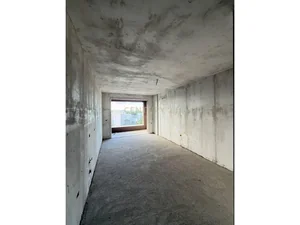
For sale
Century 21 Albania
Studio for Sale in Mali i Robit, Golem
52,000 EUR
Mali i Robit, Golem
- Rooms
- 1
- Bathrooms
- 1
- Area
- 41.60 m²
1250 EUR/m²
Property search
1002 properties found
52,000 EUR
Mali i Robit, Golem
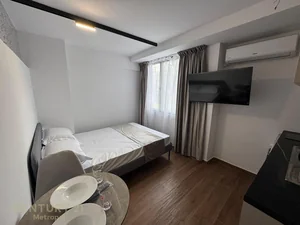
330,000 EUR
Ish-Bllok, Tiranë
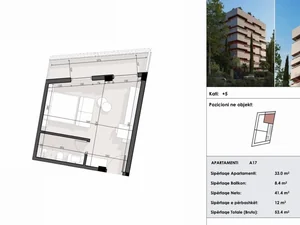
122,910 EUR
Sarandë
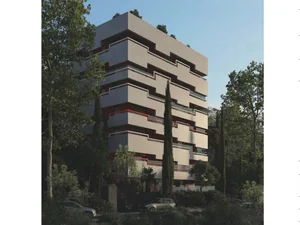
128,254 EUR
Sarandë
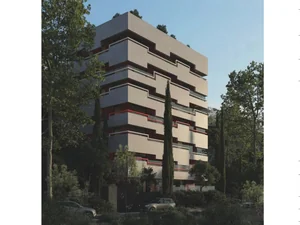
106,878 EUR
Sarandë
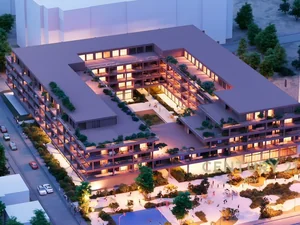
52,000 EUR
Golem
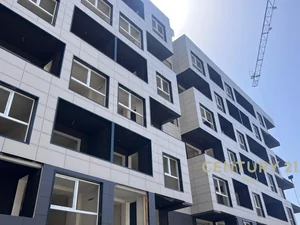
90,000 EUR
Mali i Robit, Golem
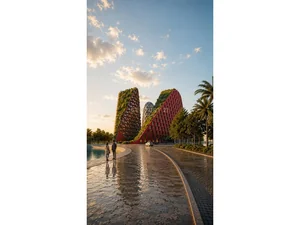
118,320 EUR
—
125,195 EUR
Durrës
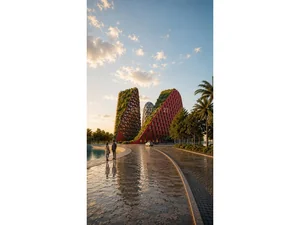
169,000 EUR
—
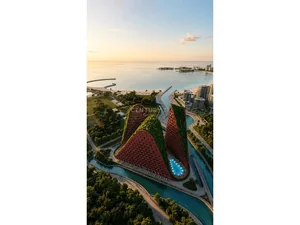
127,200 EUR
—

121,250 EUR
—
Sale, EUR total: from 1 100 to 591 000; prices published in 964 of 1002 offers.
Advertised areas range from 15.17 to 146 m² across 996 offers. Compare internal space and outdoor areas separately when choosing between them.
Bedroom options, by number of listings: bedrooms: 1, listings: 841; bedrooms: 0, listings: 33; bedrooms: 2, listings: 14.
Facilities mentioned in the listings, by number of offers: Lift: 771; Balcony: 269; Pool: 158; Parking: 152; Sea view: 112.
Furnishing options: Furnished: 143; Partly furnished: 5; Unfurnished: 342.
A morning feels easier when the kitchen is close, daylight reaches the room and the place to work does not interrupt the way through. That is the promise of a well-arranged studio: one space that can serve for sleeping, cooking, relaxing and working. Studios for sale in Albania differ in more than floor area. The division of zones, light, privacy and connection to the neighbourhood all shape how the home feels. Judge a studio by how it works in ordinary life, not only by photographs or a single asking price.
Start with who will use it and how often. Someone living there every day may need a work corner, closed storage and a practical kitchen; a couple may want visually distinct zones and room for shared belongings. If the home will be used only from time to time, ask how easily it can be aired, how it can be checked when empty and whether essential services are accessible through different seasons. A clear purpose helps you decide which compromises are acceptable and which would quickly become frustrating.
Consider how the whole floor plan functions, rather than how large the main room appears. Notice whether the entrance opens directly toward the bed, whether the kitchen has useful worktop space and whether you can eat without moving furniture. A defined sleeping nook can add privacy, but a partition may block light or airflow. Fold-away furniture saves floor space, yet it should be tested in practice: where does it go when folded, and do the routes through the room remain clear?
During a viewing, check the windows and how they open, listen for noise with them open and closed, and look for signs of damp around corners and the bathroom. Ask how daylight changes during the day and notice whether nearby buildings restrict it. Check kitchen and bathroom ventilation, water pressure and the visible condition of fittings. A pleasant impression during a short visit cannot establish how fresh, quiet or comfortable the studio will feel in everyday use.
Look at the entrance and shared parts of the building as well as the unit itself. Ask how stairs, roof, façade and common areas are maintained, and how necessary repairs are organised. In a studio, a long corridor, little storage or a bathroom that uses floor area inefficiently can have a noticeable daily effect. If there is a balcony, consider its practical use, privacy, drainage and exposure to wind and noise.
Compare locations by your routine, not simply by the city name. Tirana is an urban work and study market, so travel time, street noise and access to daily services may matter as much as the layout. Durres is a working Adriatic port city, while its beach districts differ from the centre and from resort-oriented places such as Golem and Qerret. Vlore has an urban waterfront; Sarande and Ksamil have more seasonal coastal settings. These are useful contrasts, not assurances of a sea view, beach access or quiet surroundings.
Visit at different times if you can. Notice traffic, noise from cafés or roads, lighting at the entrance and how the neighbourhood feels in the evening. Ask about transport and the services people actually use, such as shops, healthcare and public spaces, rather than relying only on a map distance. In coastal areas, consider how activity changes in and out of the season; in an urban location, think through your usual route to work or study.
Comparison becomes clearer when you separate essentials from preferences. A more coherent layout may suit you better than a larger studio with poor daylight or awkward circulation. Do not assume there is an elevator or parking; verify each feature separately if it matters to you. Ask how easy it is to enter the building and how waste, deliveries and routine maintenance are handled. These practical details affect a compact home every day.
Before deciding, ask a qualified local professional to review the ownership documents and the precise identification of the unit. Ask whether the stated area and layout correspond with the documents, how common areas are defined and whether anything needs further verification. The professional can advise on the documents relevant to the particular case and the steps in the process. Do not treat a verbal assurance or an unclear drawing as a substitute for professional review.
At the viewing, ask direct questions: which appliances are included, what has been repaired and when, how heating or cooling works, and whether there have been leaks or service interruptions. Find out what shared costs cover and whether building repairs are planned. Running costs may include electricity, water, internet, cleaning and appliance maintenance; the amounts depend on household habits, the condition of the unit and the building’s arrangements.
Allow for possible spending on furniture, storage, kitchen equipment, curtains and small repairs. In a compact home, ill-fitting furniture can add expense while making the space less useful. Compare several studios for the same intended use, recording what you have checked, what remains uncertain and which costs will recur. That way, your decision reflects the life you can lead there, rather than just the first impression.
