


 9
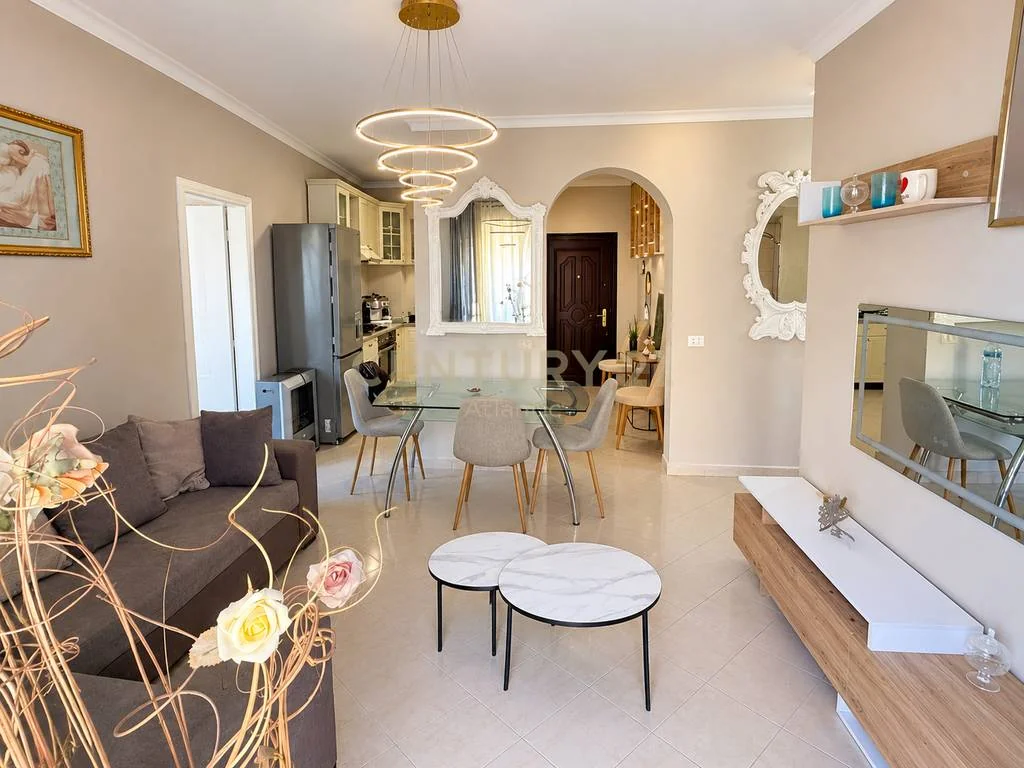
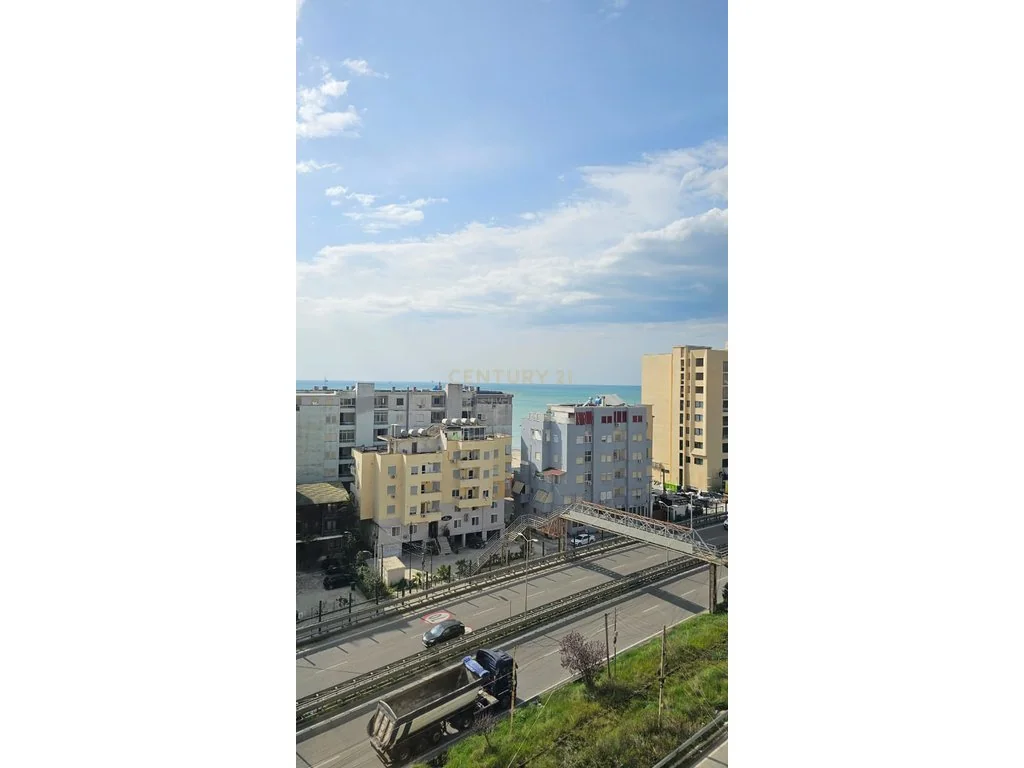
1+1 Apartment with Two Balconies in Shkëmbi i Kavajës
Apartment · For sale
80,000 EUR
- Rooms
- 1+1
- Bathrooms
- 1
- Area
- 62.98 m²
- Floor
- 5
Shkëmbi i Kavajës, Durrës
CECentury 21 Albania
1270.24 EUR/m²

Property search
861 properties found
9
Apartment · For sale
80,000 EUR
Shkëmbi i Kavajës, Durrës
 11
Apartment · For sale
85,000 EUR
Shkëmbi i Kavajës, Durrës
 16
Apartment · For sale
165,000 EUR
Plazhi Iliria, Durrës
 14
Apartment · For sale
270,000 EUR
Pranë Vilës së Zogut, Durrës
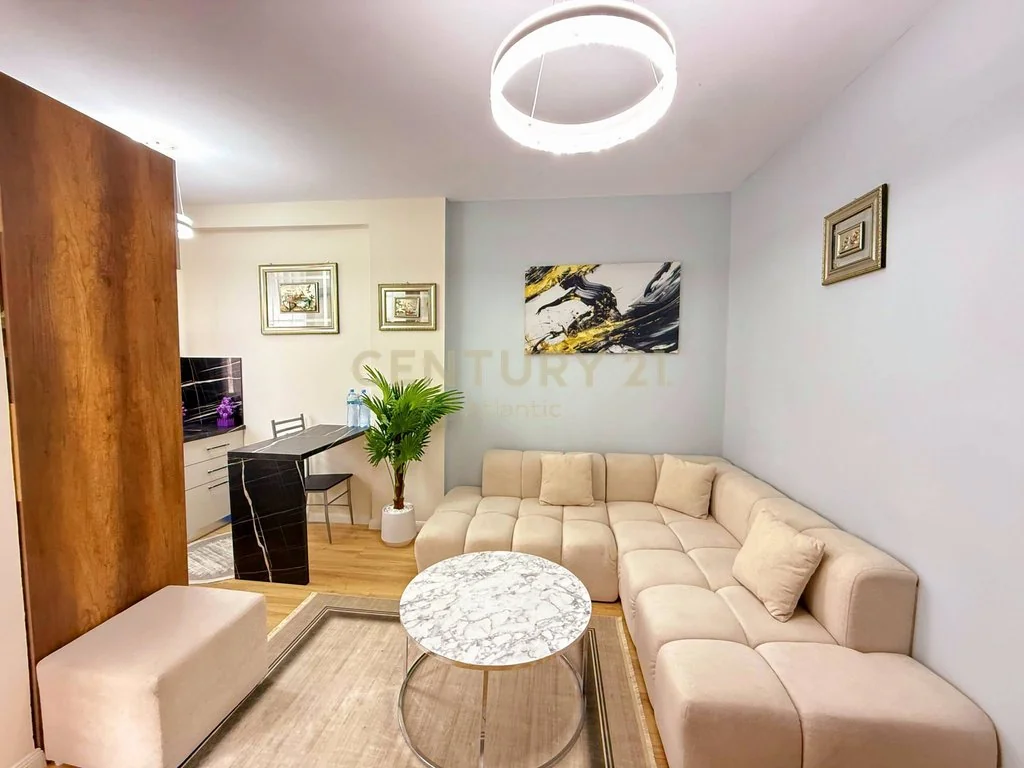 10
Apartment · For sale
100,000 EUR
Shkëmbi i Kavajës, Durrës
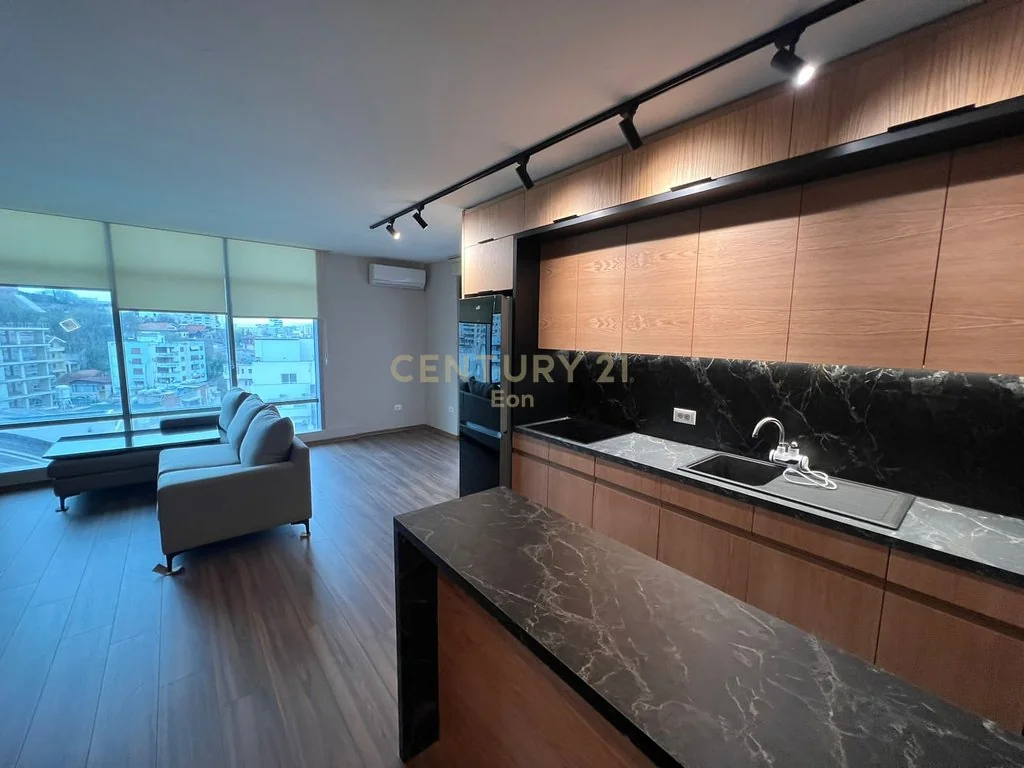 8
Apartment · For sale
225,000 EUR
Vollga, Durrës
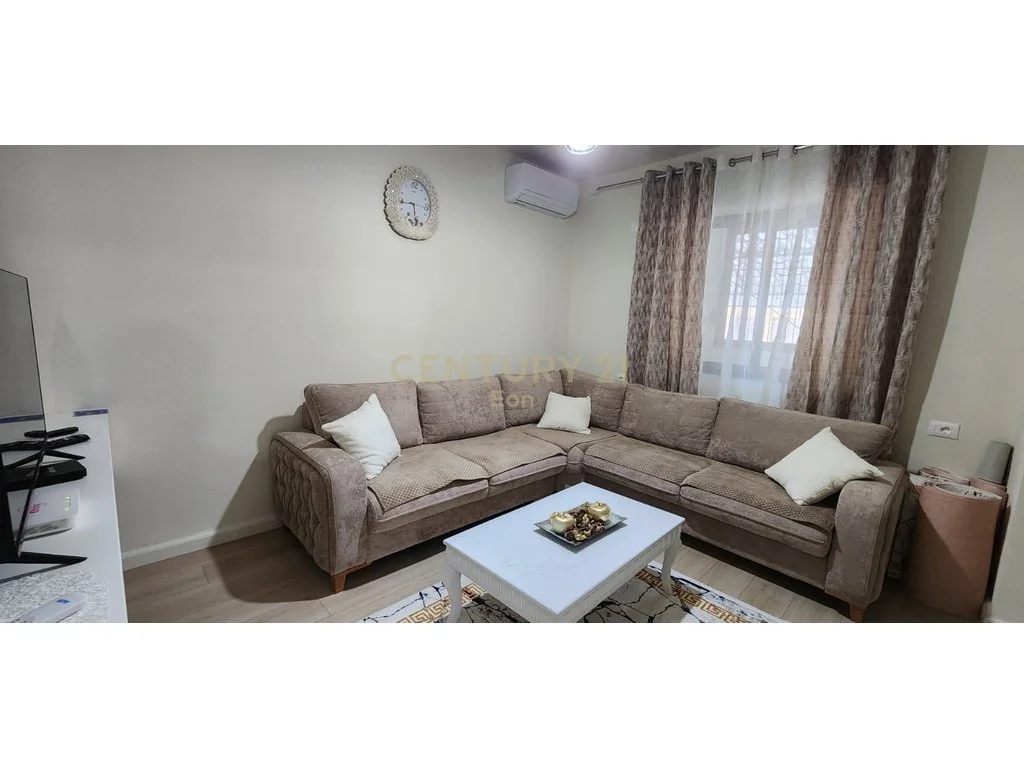 8
Apartment · For sale
95,000 EUR
Durrës
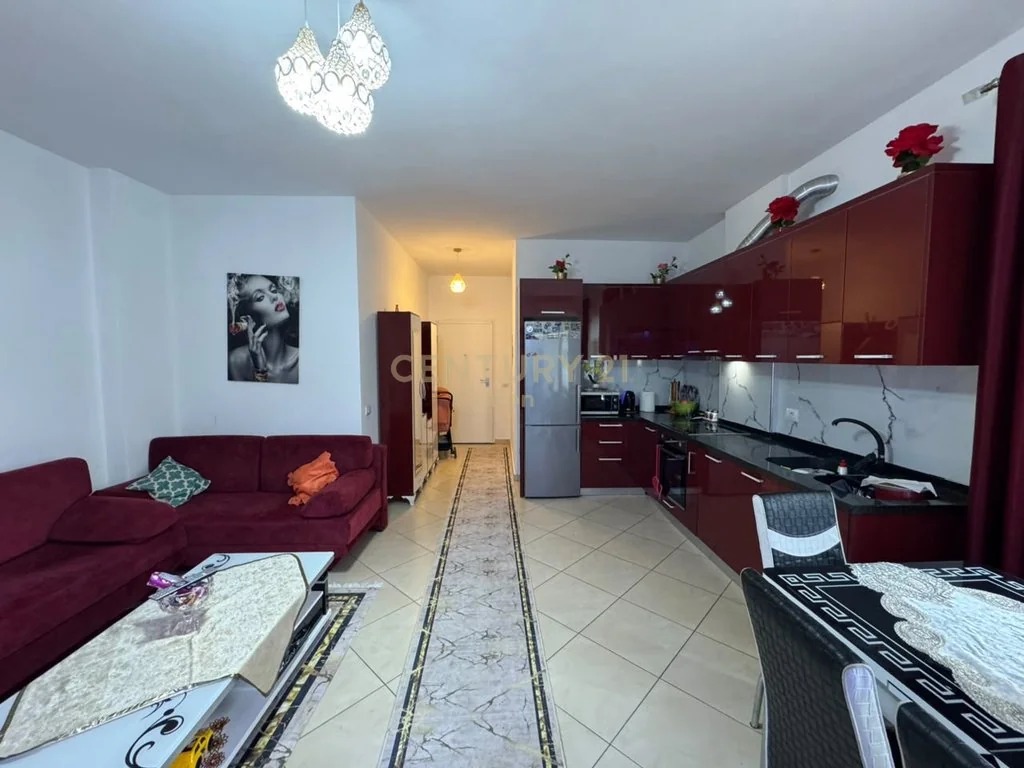 12
Apartment · For sale
155,000 EUR
Plazh, Durrës
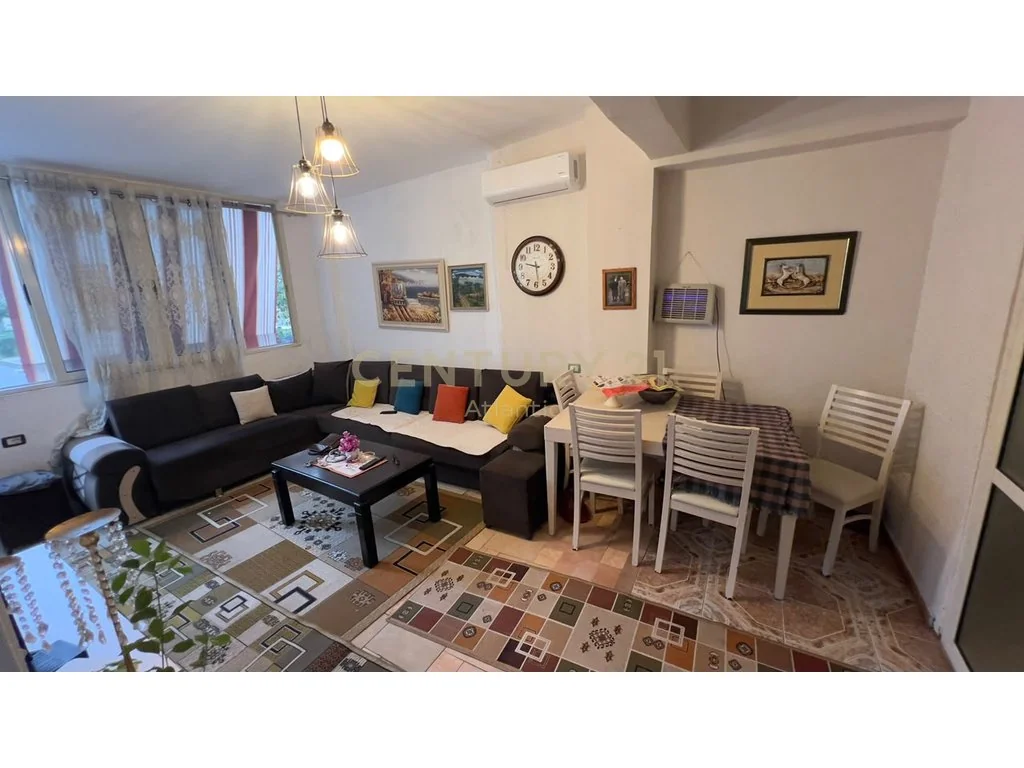 5
Apartment · For sale
66,000 EUR
Kryqi i Kuq, Durrës
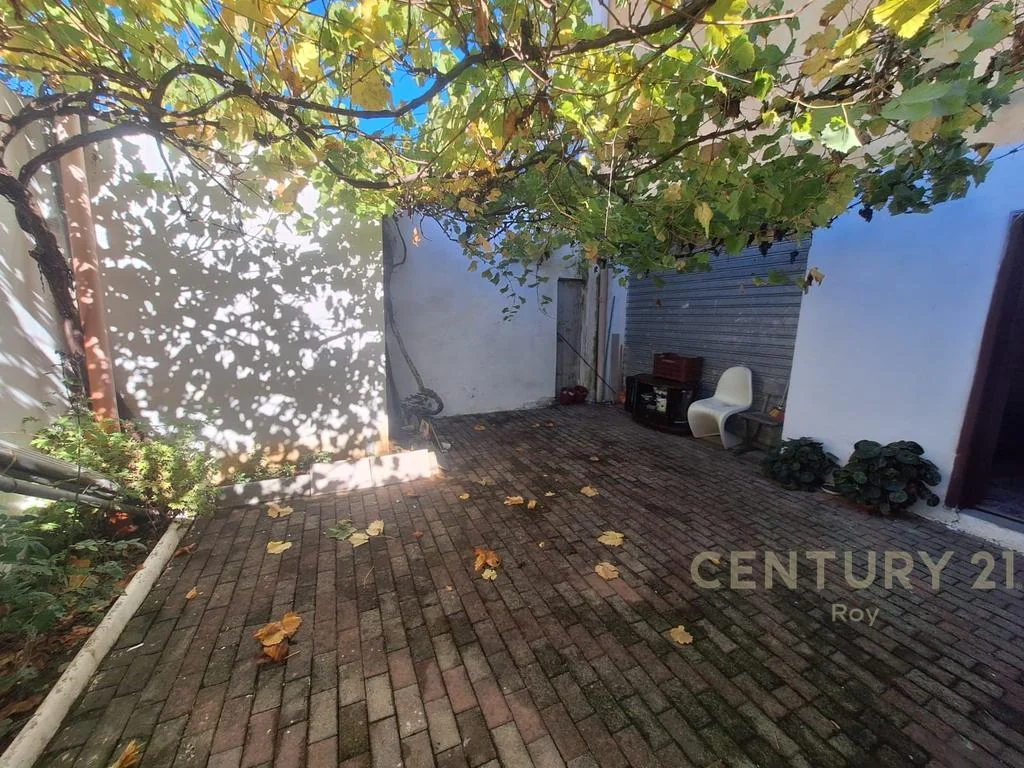 49
Commercial property · For sale
315,000 EUR
Lagjja 16, Durrës
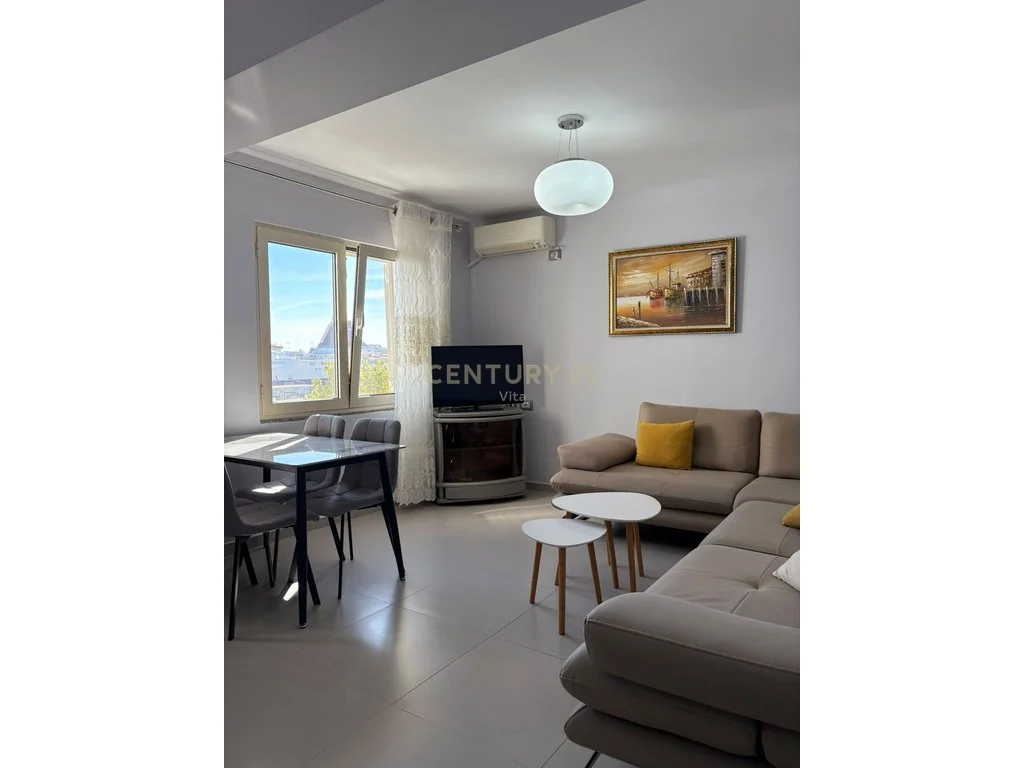 13
Apartment · For sale
110,000 EUR
Pranë Stacionit të Trenit, Durrës
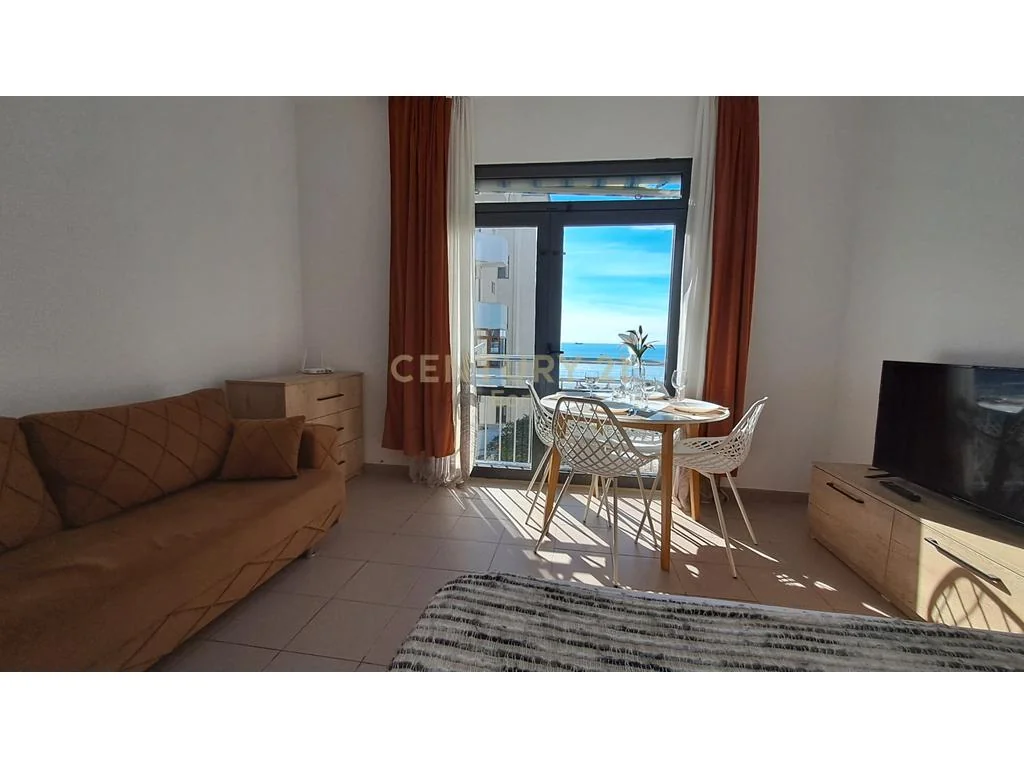 15
Apartment · For sale
136,000 EUR
Plazh, Durrës
Sale, EUR total: from 600 to 7 500 000; prices published in 816 of 861 offers.
Property types in this selection: Apartments: 592; Villas: 96; Studios: 49; Commercial premises: 35; Houses: 29.
Bedroom options, by number of listings: bedrooms: 1, listings: 351; bedrooms: 2, listings: 291; bedrooms: 3, listings: 73.
Facilities mentioned in the listings, by number of offers: Lift: 458; Balcony: 384; Sea view: 186; Parking: 136; Terrace: 131.
Furnishing options: Furnished: 861.
Durrës combines an Adriatic waterfront with a working port city. Vollga, the centre and the beach districts offer noticeably different settings, so choose which part of city life you want at your door. For a longer stay, compare the daily route and the building as carefully as the sea view. For a holiday base, walk to the beach entrance you would actually use. Golem and Qerret are useful alternatives when the priority is a resort setting rather than the urban waterfront. A balcony sunset is a pleasure; an address that suits the rest of the day makes it easier to enjoy.
There is a particular ease in walking into a home where a place to sit, a bedside light and kitchen essentials are already in place. A fully furnished property can reduce the number of immediate purchases, whether you are relocating, buying a home for your household or looking for a base near work. Still, furniture is only one part of the decision. Consider whether the property itself, its condition and its location suit you better than its carefully arranged appearance in photographs.
Treat “fully furnished” as a starting point for specific questions. Ask for a written inventory of the furniture and appliances that will remain, including kitchen equipment, lighting, air conditioners and items kept in storage areas. Clarify what the term means in this particular home: furnished rooms do not automatically mean practical storage, working appliances or basic items in every room. If furniture is dated, worn or unsuitable for your needs, include the likely cost and effort of replacing it, rather than counting only the convenience of moving in quickly.
Begin a viewing by imagining an ordinary day: where would you leave your shoes, prepare meals, work and keep things you do not use daily? In an apartment, check whether living and sleeping areas have suitable proportions and privacy, whether there is adequate light and ventilation, and whether furniture leaves comfortable routes through the rooms. A large sofa may make a space feel welcoming, yet restrict circulation or reveal a shortage of cupboards. Look at floors, windows, doors, fittings and surfaces behind furniture, too.
In a house, ask how the entrance, kitchen, rooms and any outdoor space connect, and whether the arrangement works for your household or guests. For a furnished commercial unit, consider whether the current setup supports your activity. A reception area, shelving or desks cannot compensate for an unsuitable floor plan, poor delivery access or awkward customer circulation. In any property, ask to inspect rooms without relying on the furniture arrangement alone; open cupboards, test doors and check that appliances operate. Consider whether items can be moved without work that might require permissions or repairs.
Furnishings cannot make an inconvenient location suit your routine. In Tirana, proximity to work, study, services and transport can shape an ordinary day, while traffic, noise and parking should be assessed at different times. In Durres, the working city centre and beach districts offer different settings. Golem and Qerret are resort-oriented, Vlore has an urban waterfront, and Sarande and Ksamil have seasonal coastal rhythms. These are distinctions in local character, not assurances of quiet, available services or year-round demand.
Walk around the neighbourhood on a working day and, if possible, at a quieter hour as well. Notice road and nearby-business noise, the lighting at the entrance and the condition of shared spaces. Ask how waste, cleaning, maintenance and water supply are handled in the building. If the home will be used only for part of the year, consider how it will be looked after when empty and whether furniture or appliances need protection. For a business purchase, assess façade visibility, pedestrian movement, delivery access and the services your activity needs, rather than focusing only on the current furnishings.
During the viewing, test taps, drains, sockets, kitchen appliances and heating or cooling systems. Ask which items are included in the sale and what is known about their condition. Look for damp, stains, stale smells and signs of repeated repairs, including behind furniture and inside cupboards. Ask about building maintenance, regular contributions, shared services and planned work that could affect your costs. The cost of use can include energy, water, internet, cleaning, appliance maintenance and furniture replacement. Estimate these in light of how you expect to use the property, not from the impression of a short visit.
Before committing, ask a qualified local professional to review the ownership documents, the precise identification of the unit, area records and any agreements or documents relating to rights over the property. For an apartment, ask them to check common areas and the boundaries of what is being purchased; for a house or business premises, the review should reflect its use and relevant records. Put in writing which furnishings and appliances remain, the condition in which they are handed over and how the inventory will be confirmed. That way, you can compare the home you will receive, not just the convenience suggested by the word “furnished”.
