

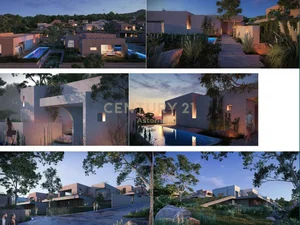
For sale
Century 21 Albania
Two-Storey Villa with Private Pool and 2 Parking Spaces in …
2,013,000 EUR
Green Coast 2, Himarë
- Rooms
- 4
- Bathrooms
- 5
- Area
- 360.00 m²
5591.67 EUR/m²
36 properties found
36 properties found
2,013,000 EUR
Green Coast 2, Himarë
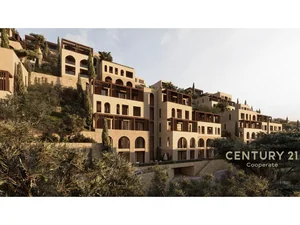
Price on request
Jalë, Himarë
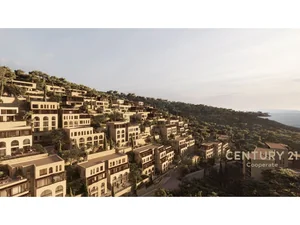
Price on request
Jalë, Himarë
Price on request
Jalë, Himarë
Price on request
Jalë, Himarë
Price on request
Jalë, Himarë
Price on request
Jalë, Himarë
250,000 EUR
Himarë
350,000 EUR
Qeparo, Himarë
135,000 EUR
Himarë
947,000 EUR
Green Coast 2, Himarë
Price on request
Potam, Himarë
Sale, EUR total: from 115 000 to 2 013 000; prices published in 23 of 36 offers.
Property types in this selection: Apartments: 16; Land plots: 10; Villas: 5; Houses: 3; Studios: 1.
Bedroom options, by number of listings: bedrooms: 2, listings: 14; bedrooms: 1, listings: 7; bedrooms: 4, listings: 2.
Facilities mentioned in the listings, by number of offers: Sea view: 22; Lift: 16; Balcony: 16; Parking: 13; Terrace: 12.
Furnishing options: Furnished: 6; Unfurnished: 14.
Dhërmi, Palasë, Himarë and Qeparo belong to the Ionian Riviera, where the hillside setting is part of the appeal. For {city}, compare a property in the village with one near the shore: access and the feeling of the stay can be very different. Walk the last part of the route and locate parking before deciding how easy a beach day will be. A view framed by the landscape can be worth choosing for its own pleasure. Pair that preference with a practical plan for deliveries, luggage and looking after the property between visits.
An ordinary morning can tell you more than an attractive photograph: can you reach work without a tiring journey, is there room for everyday belongings, and does the neighbourhood suit you beyond the holiday season? Properties for sale in Albania include homes, land and business premises, each with different uses, costs and questions to resolve. Before comparing finishes or views, decide what the property must do for you and which compromises you can accept.
Make a short list: a permanent home, a holiday place, workspace, family use or a commercial activity. Consider proximity to work, study, everyday services and the people who will use the property. An apartment may be practical in an urban area, while a house with a yard may need more maintenance and different journeys. Land is not a ready-made home; commercial premises must also be assessed for customers and deliveries.
Places have different rhythms. Tirana is an urban market connected with work and study. Durres is a working Adriatic port city, and its beach districts differ from the centre. Golem and Qerret are more resort-oriented. Vlore combines urban life with a waterfront, while Sarande and Ksamil have more seasonal coastal settings. These contrasts help frame how a property might be used, but they do not guarantee quiet, particular services or benefits from being near the sea. Consider the route and neighbourhood at different times and seasons.
For a home, look at the layout and how you move between the kitchen, living area, bedrooms and bathroom. Ask whether rooms have adequate light and ventilation, how heating and cooling work, and where belongings can be stored. In an apartment building, pay attention to the entrance, stairs, upkeep of shared areas and noise. Assess an elevator or parking only when it is explicitly confirmed as part of the property and its use; do not infer either from photographs or assumptions about the area.
Houses need careful attention to the roof, damp, walls, drainage and the condition of utilities. A yard may be useful for children, pets or outdoor time, but it brings ongoing work and expense. For a furnished home, verify what is included, the condition of appliances and whether the furnishings suit your needs. Do not treat a partly furnished property as ready to use without additional cost or arrangements.
Land calls for separate checks of boundaries on the ground, legal and practical access, slope, drainage and potential use. Ask for the property documents and consult qualified local professionals about status, restrictions and any planning issues; do not assume that construction will be allowed. For shops and other business premises, assess frontage visibility, pedestrian activity at different times, deliveries, loading, storage and access for customers and staff. A larger space is not necessarily more useful than a layout that serves your activity.
During a viewing, move through the property as you would every day. Open doors and windows, check water pressure, visible sockets, floors and signs of damp. Listen for noise from the street, neighbours and equipment; note how much daylight enters at that time and whether ventilation works. Ask what repairs have been made, what needs attention now and whether shared works or costs are expected. A visual check does not replace an independent technical assessment.
In shared buildings, ask about elevator maintenance where applicable, cleaning, management and the condition of the roof, facade and shared pipes. For a house, check access, yard boundaries, water runoff and structural condition. On land, walk its boundaries with relevant documents and ask how the parcel can be reached throughout the year. For business premises, observe actual activity along the frontage, goods access, water and power supply, and whether the space can be adapted to your use.
Before an agreement, ask a qualified local professional to review the relevant ownership documents, property identification and correspondence with conditions on the ground. For buildings, request review of construction documents and shared areas where applicable. For land, ask about boundaries, access, relevant rights and recorded use; for business units, review documents relating to ownership and use. Ask the professional to explain discrepancies, third-party claims and what needs further verification. Do not rely only on verbal explanations or a single copy of a document.
The purchase price is only one part of the plan. Allow for professional review, documentation and any work needed, without assuming that the amount or treatment is the same in every case. For a home, budget for energy, water, heating or cooling, cleaning, repairs and building maintenance. Ask how shared expenses are divided and whether work is expected; past bills may help you understand usage but cannot guarantee future costs.
A home near the sea may face more damp, wind and corrosion, so inspect windows, metalwork, paint and utilities. Straight-line proximity does not necessarily show travel time, direct access or a sea view. In seasonal areas, consider how supplies, services and property care will work when there is less activity. For an urban property, account for the time and cost of regular journeys, not just distance on a map.
Land and business premises need different budgets. For land, include clearance, access upkeep and professional checks of boundaries and site conditions. For a business, consider energy, water, internet, security, cleaning, repairs, deliveries and interior adaptation. Compare several properties using what you can verify: use, condition, access, documents and likely expenses. Choose one that suits your everyday life or activity, not simply the one that looks most appealing on a first visit.
