


 1
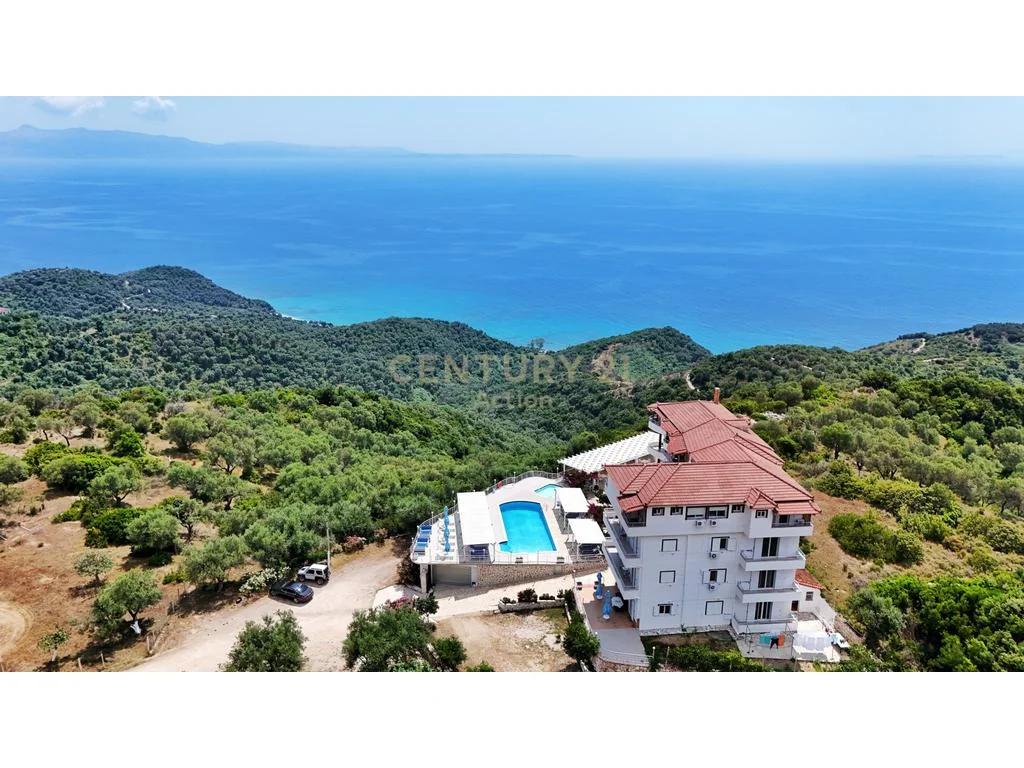
Hotel for Sale in Lukovë with Panoramic Sea Views
Hotel · For sale
Price on request
- Rooms
- 19
- Bathrooms
- 16
- Area
- 2600 m²
- Floor
- —
Lukovë

Property search
1 property found
Sale, EUR total: 1 offers with prices available on enquiry.
Property types in this selection: Hotels: 1.
Bedroom options, by number of listings: bedrooms: 19, listings: 1.
Facilities mentioned in the listings, by number of offers: Parking: 1; Pool: 1; Sea view: 1.
Furnishing options: Furnished: 1.
For {city}, begin with the life you want the property to support. Separate a permanent home, a holiday base and a business project, then compare the locations that match that purpose. Ask for the exact address and spend time on the streets around it, not only inside the property. A useful outdoor area, straightforward access or room to work can make the choice personal. Test those preferences against the time you will really spend there. A place that works on an ordinary day has much more to offer than a beautiful first impression alone.
Open the door, set your bags by the entrance and picture dinner in the kitchen or a quiet morning beside the window. A fully furnished home can make moving easier, especially if you are coming from another city, have limited time to arrange a household or want to use the property without organising many purchases. Still, “fully furnished” does not mean the same thing to every owner. The value of what is included depends on how well it suits your life, its quality and condition, and whether the items you see will remain after the sale.
Compare the home as a place to live, not simply by counting its furniture. Think about where you will work, store clothes, cook and welcome guests. An apartment arranged for short stays may have a sofa and a small table but little storage or family space. A home with fewer pieces but useful cupboards, a functional kitchen and rooms that can be used in different ways may suit your routine better.
Decide in advance what “ready to live in” means to you. Some buyers want kitchen appliances and suitable lighting; others also need curtains, cleaning equipment or a work area. List essentials separately from preferences. This helps you see whether the furnishings reduce immediate spending or simply postpone decisions. Even a well-equipped home may need appliance replacement, a different mattress or a reorganisation of the rooms.
During a viewing, move through the home as if you were doing ordinary daily tasks. Open cupboards and appliance doors, check that they swing freely and see whether chairs, tables and sofas leave clear routes through the rooms. Ask which furniture and appliances are included in the sale, and request a clear written inventory. Do not assume that every item shown, including a television, small appliances, light fittings or decorative pieces, will stay. Confirm the condition of every item that matters to you.
Inspect the kitchen and bathroom closely because they are used constantly and can be expensive to update. Look at surfaces, hinges, taps and appliances; ask whether the refrigerator, oven, washing machine and other equipment work. Notice any musty smell, staining, damage or signs of repeated repairs. In bedrooms, check mattresses, sofas and curtains for wear, and see whether furniture blocks radiators, sockets or windows. Arrange an independent inspection where appropriate if you need a technical assessment.
Consider daylight, noise and ventilation at the times you expect to use the property. A room that looks spacious without furniture may feel crowded once filled; carefully chosen pieces can also make a compact space work well. Open the windows, try the shutters and check how easily the home airs. If you plan to work from home or share a room, consider whether the layout provides privacy and enough sockets without requiring major changes.
Furnishings can solve practical needs, but they do not change the surroundings. In Tirana, buyers often weigh access to work, study, transport and daily services; street noise and pace can differ significantly from one block to another. In Durres, the working city centre and beach districts have different characters. Golem and Qerret are more resort-oriented, while Vlore combines urban life with a waterfront promenade. Sarande and Ksamil have more seasonal rhythms. Visit the area at different times and consider the routine you want, rather than relying on a quiet impression from one viewing.
Ask about the building and how the area is used throughout the year. A furnished home in a seasonal location may still suit permanent living, but check the services you need outside busy periods. In an urban area, see whether transport, shops and essential services are accessible in ways that work for you. Do not assume that being close to the coast means a sea view, guaranteed beach access or a particular road condition. Assess distance, orientation and the route on site according to your own needs.
For a house, check the yard, entrance, storage and outdoor maintenance. For an apartment, ask about shared areas, building management, elevator and parking, verifying each feature on site and in relevant documents. These are separate characteristics, not automatic parts of furnishing. Also consider where you could keep a bicycle, stroller or other equipment if needed. The aim is to understand how the home works on ordinary days, not just during the viewing.
Before deciding, ask a qualified local professional to review the ownership documents and any papers relating to the property, its area, use and boundaries. Seek clarity on the exact identification of the unit, shared spaces and any feature said to be included, such as a storage room or parking space. If the home is in a building, ask about management documents and shared expenses. A professional can advise which checks are appropriate for the specific case; do not replace a professional review with assumptions or an informal conversation alone.
For furniture and appliances, request a clear inventory identifying what stays, its condition and any exclusions. Keep written communications and make sure the inclusions match the final agreement, as general wording may not resolve disagreements. Ask for manuals, any available warranties and repair history, without assuming these transfer to the buyer. If an appliance is essential, test it during the viewing or arrange a suitable way to verify that it works.
Budget for ongoing costs separately from the purchase. These may include electricity, water, heating or cooling, internet, building maintenance, cleaning, repairs and the gradual replacement of furniture and appliances. Ask for available bills or records to understand previous use, while remembering that occupants’ habits and the season affect costs. Furnishing may reduce initial purchases, but it does not remove maintenance. Compare condition, usability and running costs with the way you genuinely plan to live in the home.
