


 2
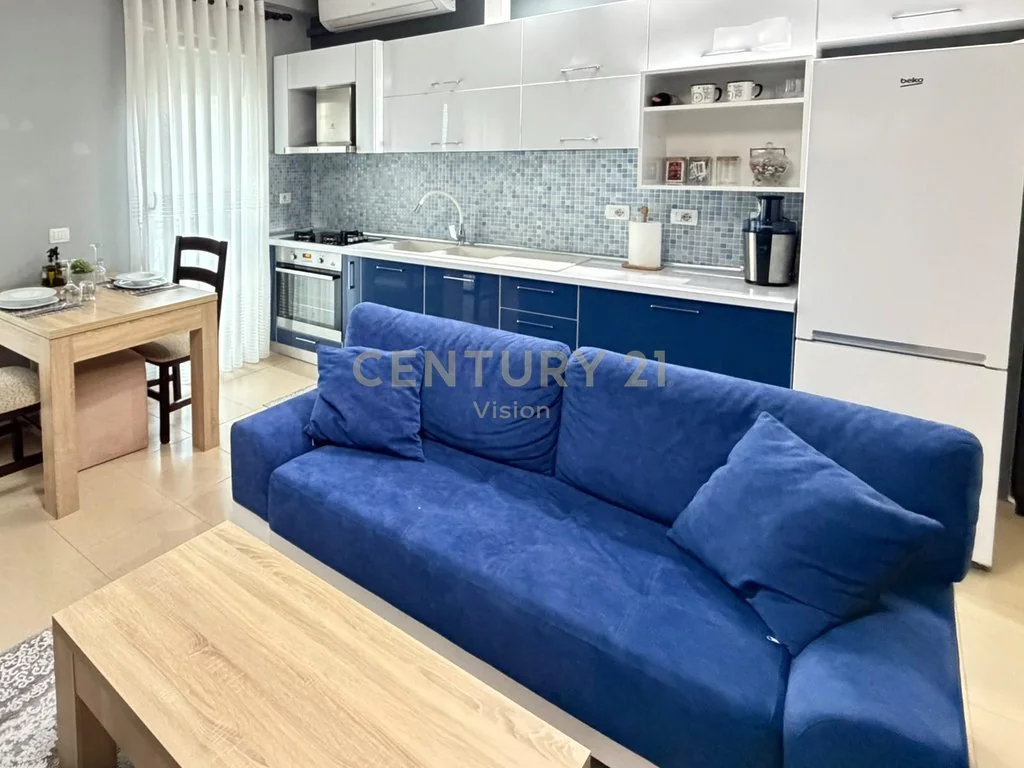
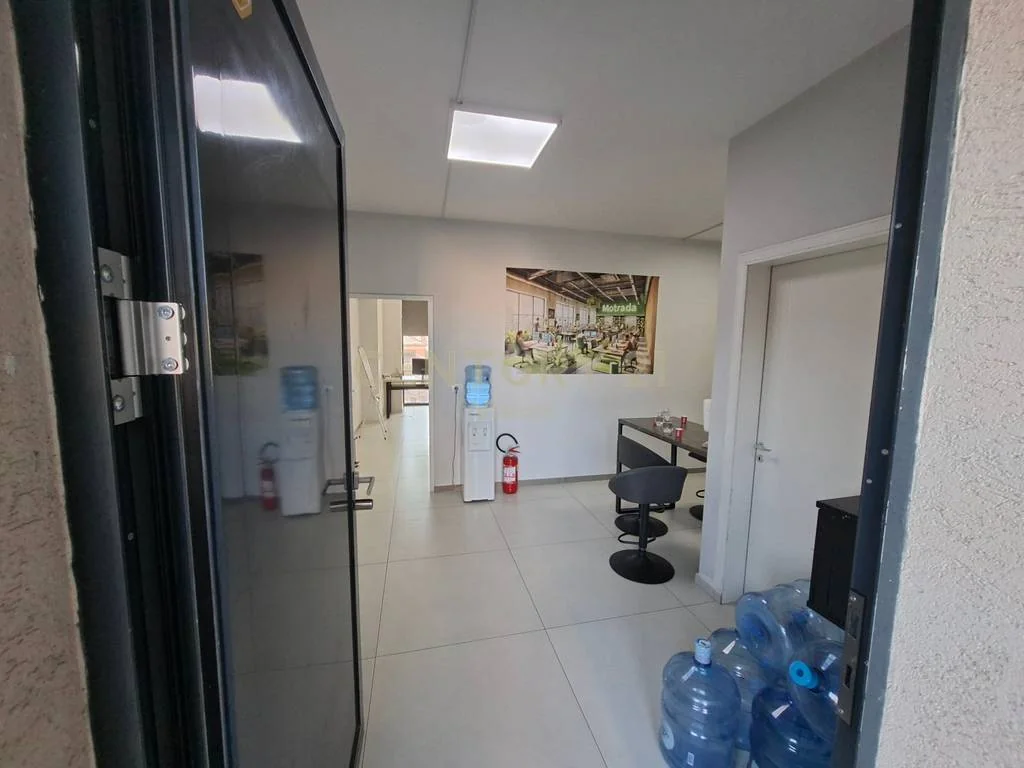
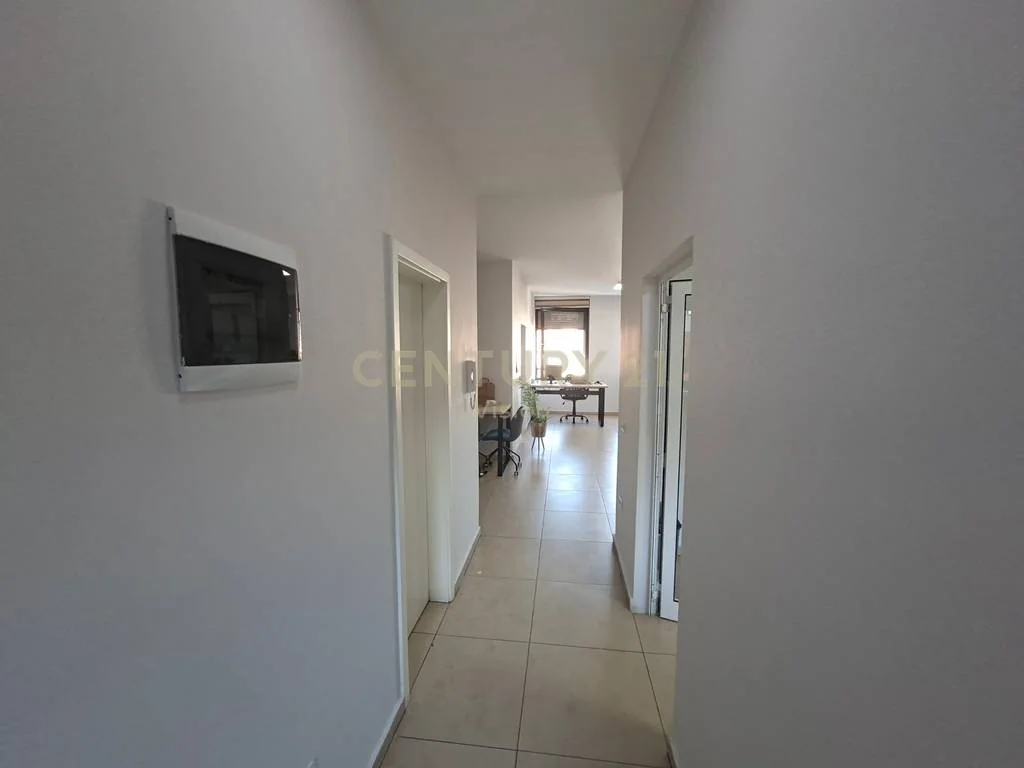
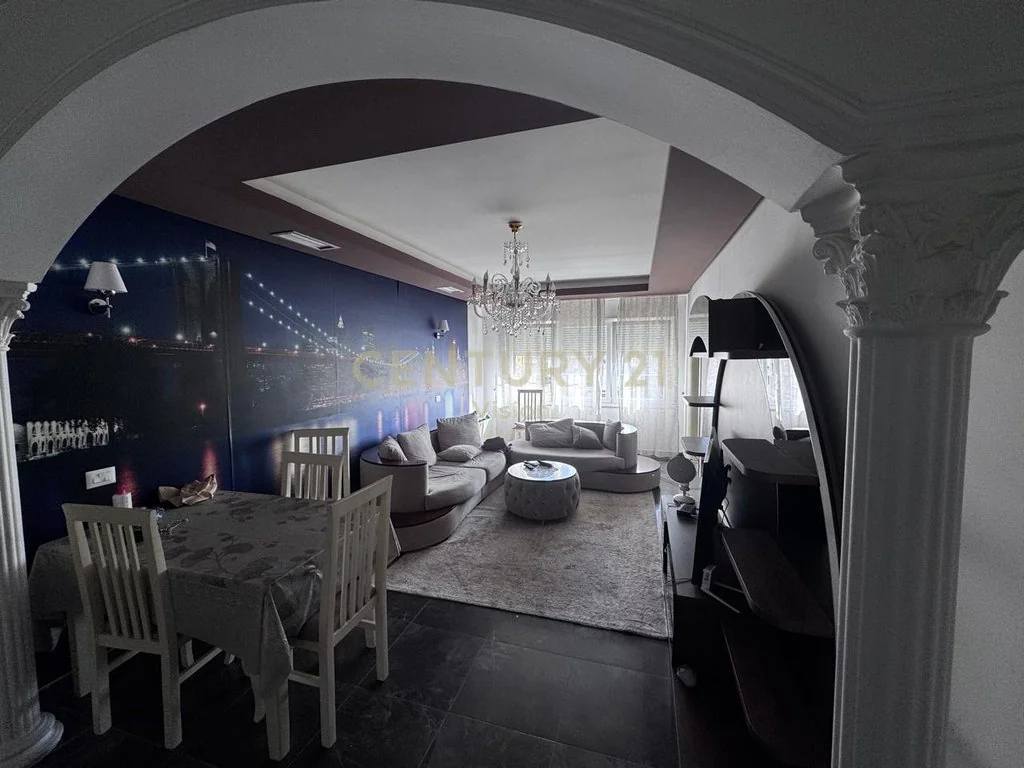
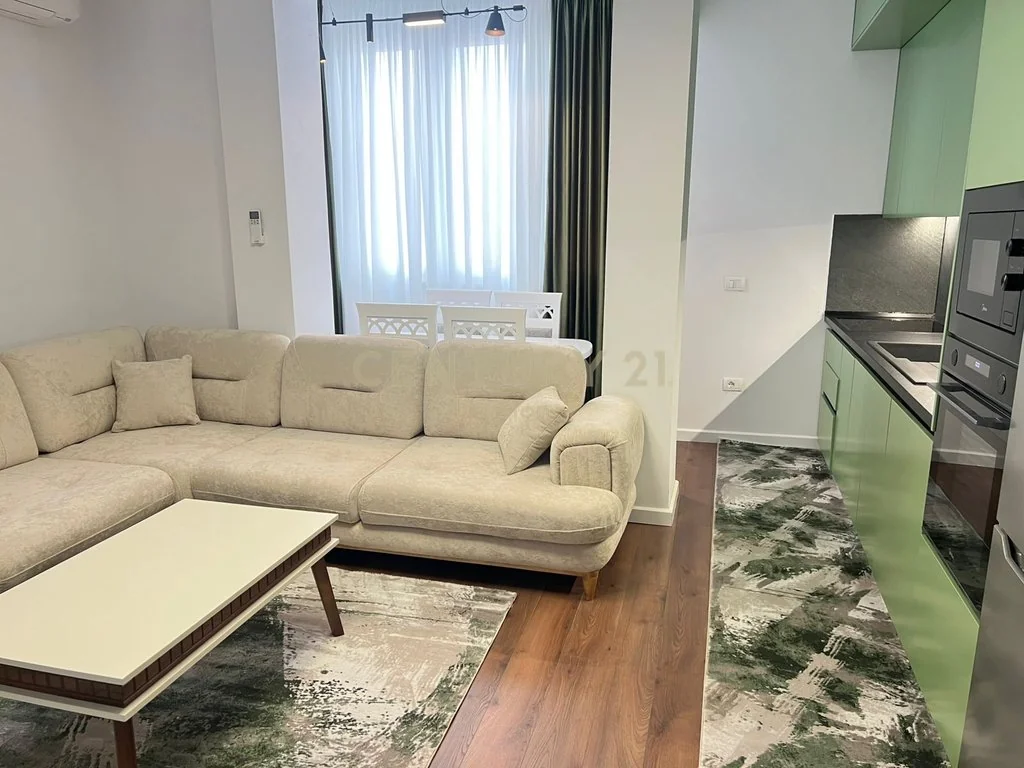
1+1 Apartment for Rent in Gjuhadol, Central Shkodër
Apartment · For rent
450 EUR/month
- Rooms
- 1+1
- Bathrooms
- 1
- Area
- 70 m²
- Floor
- 3/4
Gjuhadol, Shkodër
CECentury 21 Vision
6.43 EUR/m²/month

Property search
23 properties found
2
Apartment · For rent
450 EUR/month
Gjuhadol, Shkodër
 10
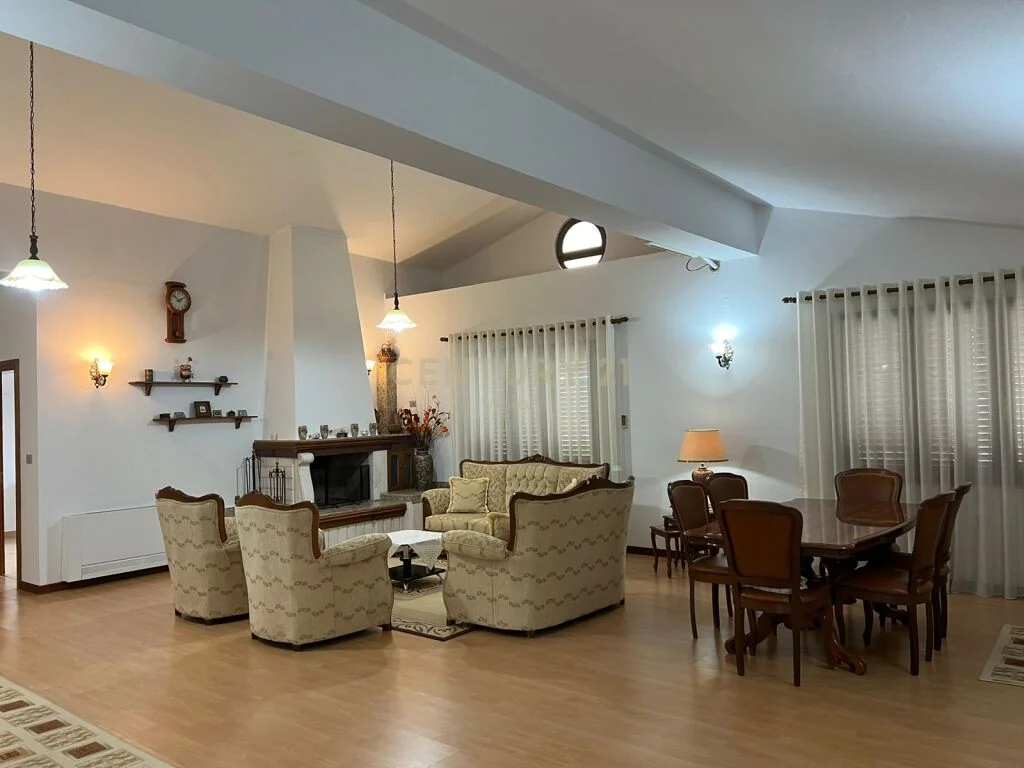
Villa · For rent
Price on request
Qendër, Shkodër
 7
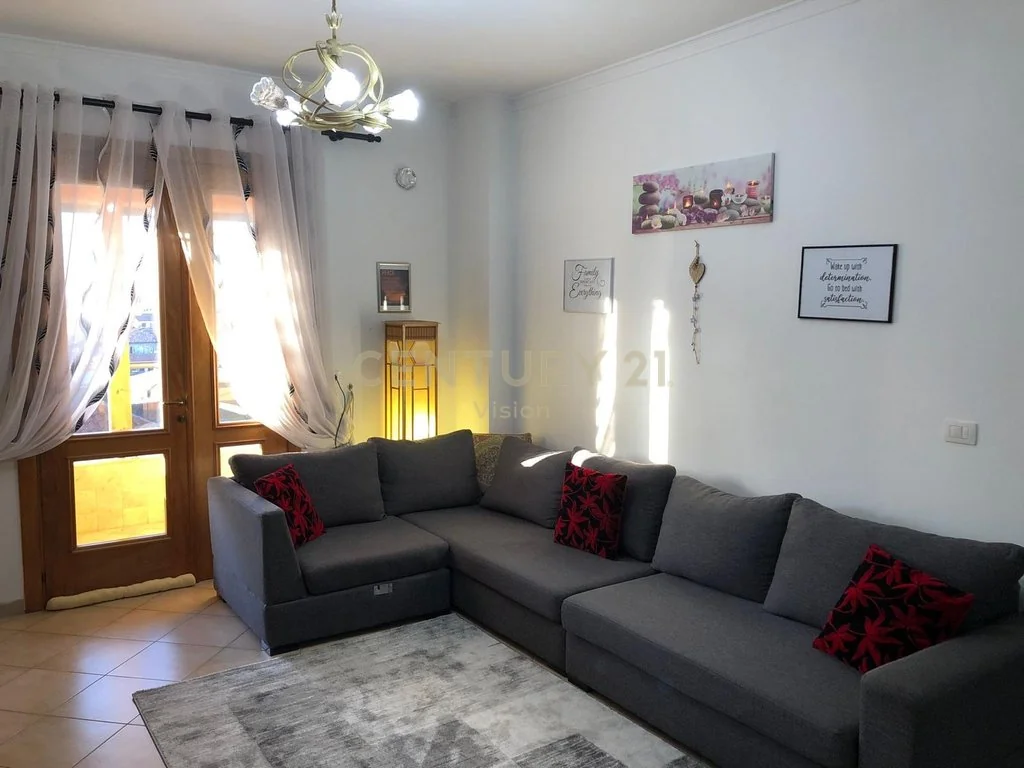
Apartment · For rent
500 EUR/month
Lagjja 3 Heronjtë, pranë Kishës së Madhe, Shkodër
 11
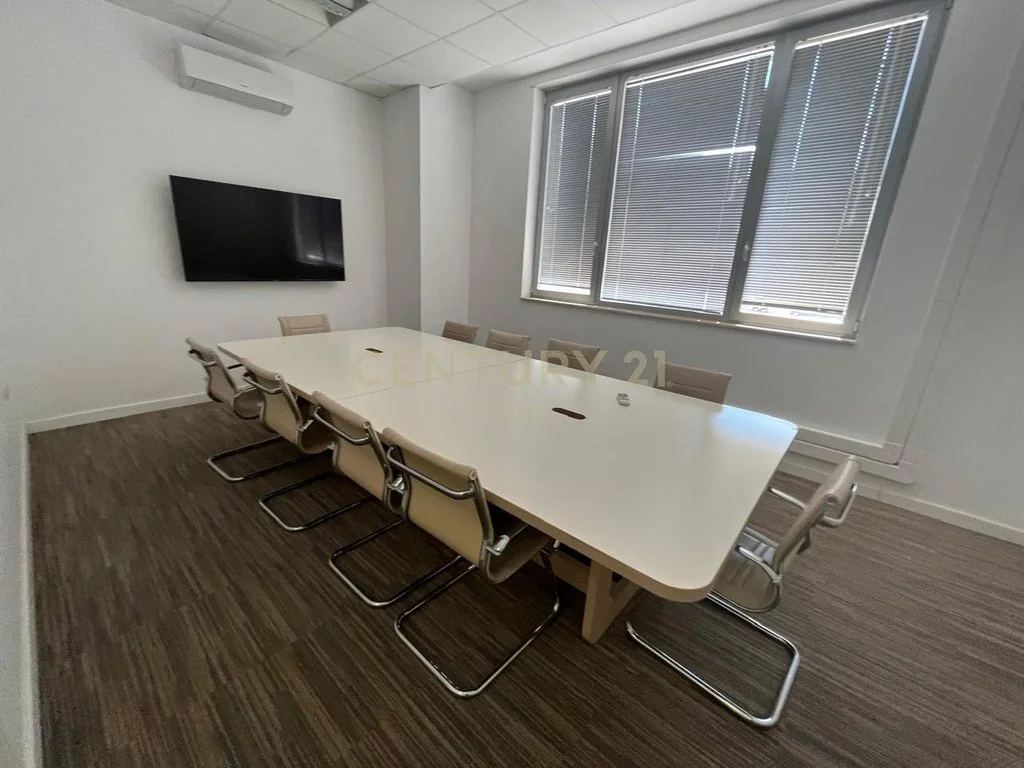
Commercial property · For rent
12,000 EUR/month
Bexhisten, Shkodër
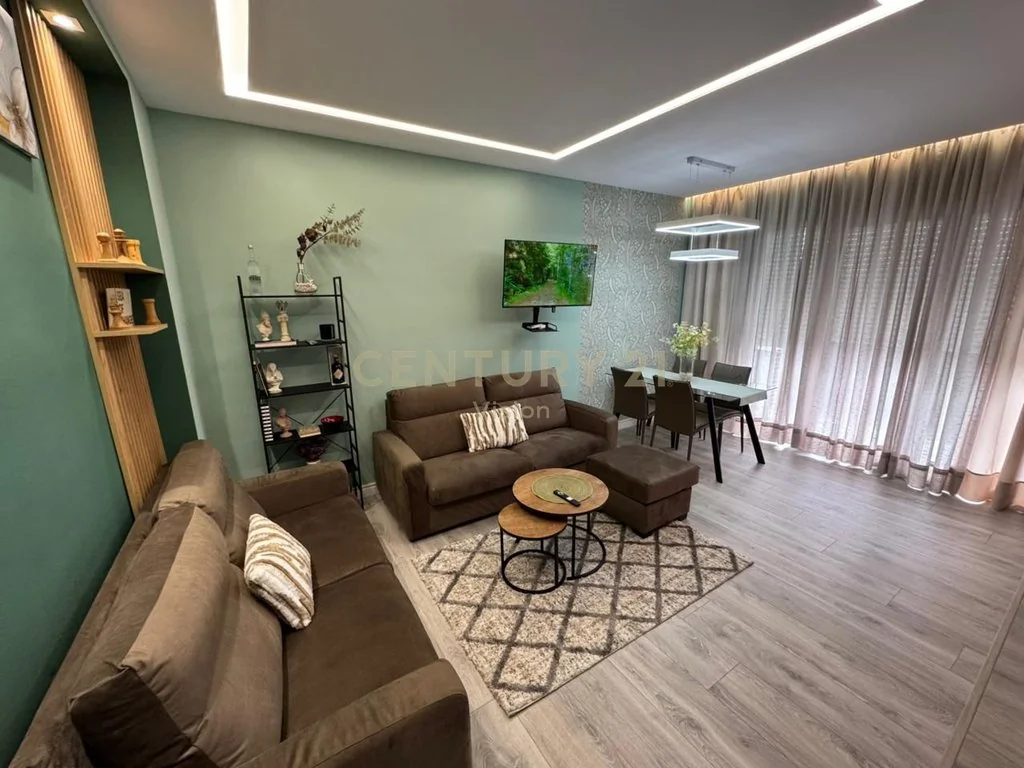 9
Apartment · For rent
Price on request
Pranë Prek Calit, Shkodër
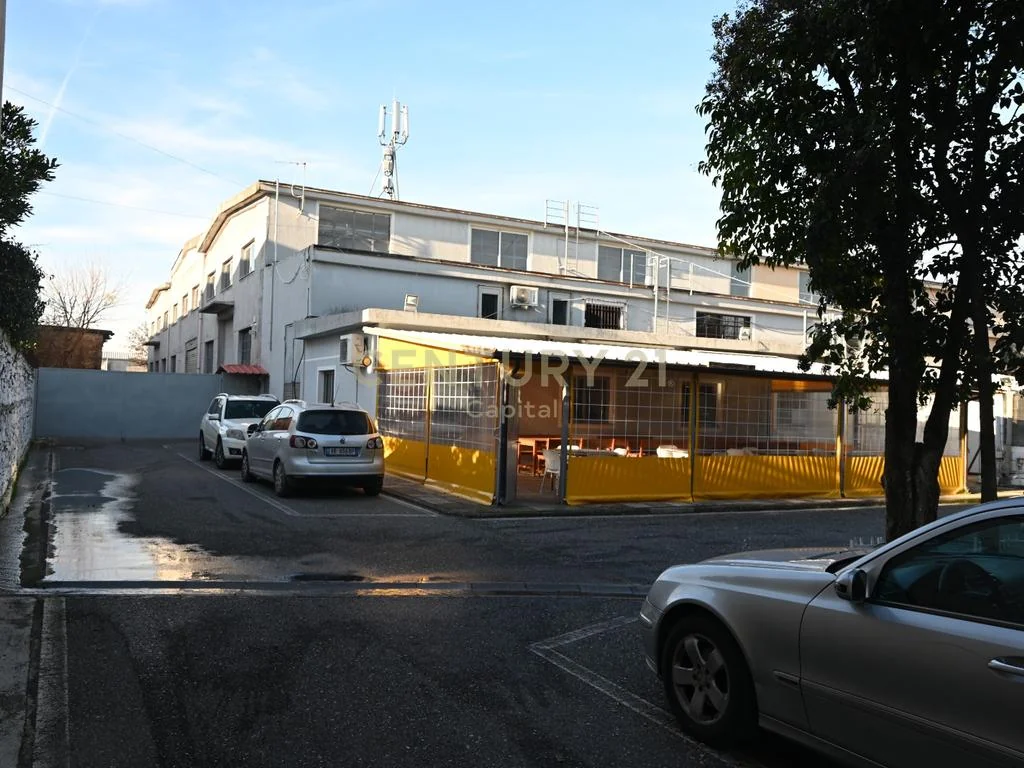 15
Warehouse · For rent
4,300 EUR/month
Shkodër
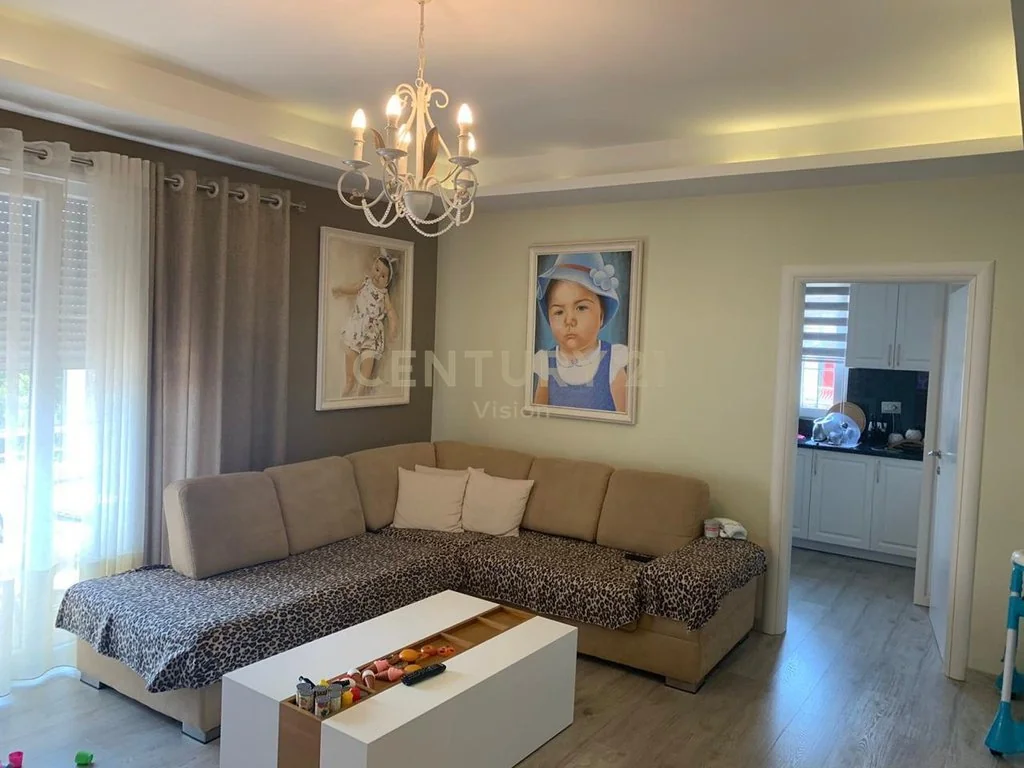 7
Apartment · For rent
500 EUR/month
Xhabije, Shkodër
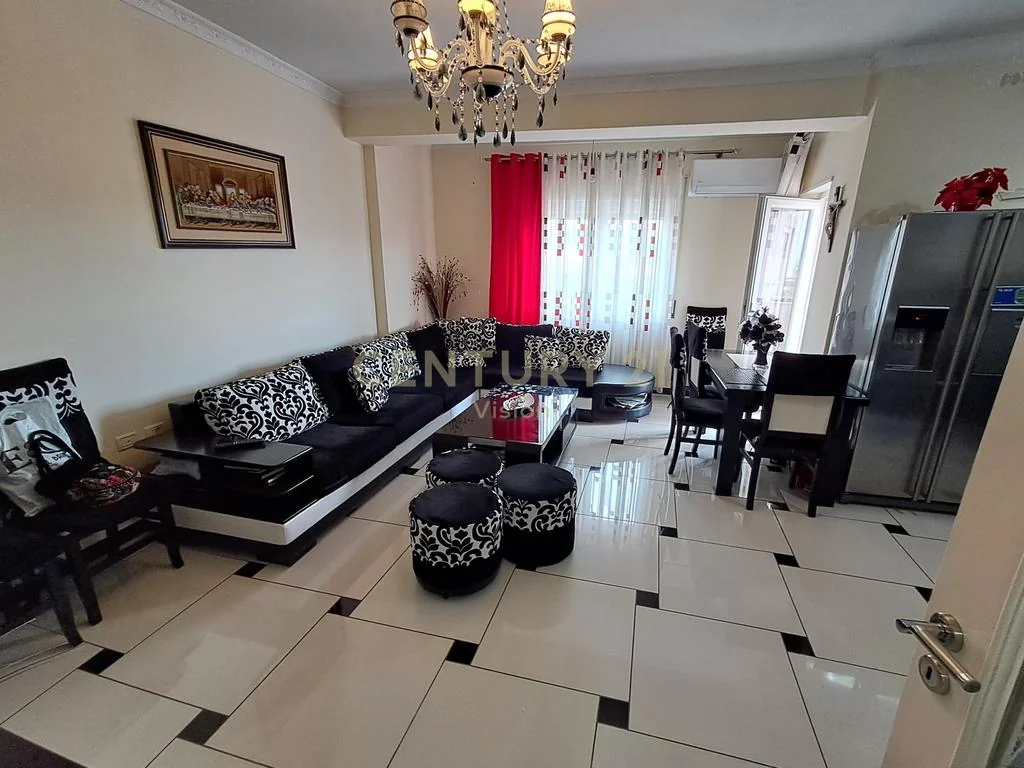 7
Apartment · For rent
500 EUR/month
Sarreq, Shkodër
 16
Commercial property · For rent
1,250 EUR/month
Qendër, Shkodër
 16
Commercial property · For rent
700 EUR/month
Qendër, Shkodër
 10
Apartment · For rent
500 EUR/month
Sarreq, Shkodër
 8
Apartment · For rent
450 EUR/month
Qendër, Shkodër
Monthly rent, EUR per month: from 400 to 12 000; prices published in 19 of 23 offers.
Property types in this selection: Apartments: 11; Commercial premises: 7; Villas: 2; Offices: 2; Warehouses: 1.
Bedroom options, by number of listings: bedrooms: 2, listings: 11; bedrooms: 1, listings: 3; bedrooms: 3, listings: 1.
Facilities mentioned in the listings, by number of offers: Lift: 23; City view: 4; Parking: 3; Balcony: 2; Garage: 1.
Furnishing options: Furnished: 12; Unfurnished: 3.
Shkodër combines an urban base with the lake landscape and access towards northern Albania. Decide whether your priority is the city routine, weekends outdoors or a property with room for guests. Compare a central address with an outer one by the actual route to the places you will use. For older houses, the arrangement of the courtyard and the building's condition deserve a close look. If you imagine longer stays, ask about heating and year-round running costs as well as summer comfort. Choose the setting that supports your ordinary week, then leave space for the excursions that make living there feel special.
Coming home with shopping, pushing a pram, or welcoming someone who finds stairs difficult makes the value of a lift immediately clear. When you are looking for a rental property in Albania, this convenience can matter as much as the number of rooms or the neighbourhood. Yet the presence of a lift alone does not tell you its condition, how reliably it runs, or whether the route from the street to your door is easy to manage.
Start by deciding what accessibility means for your household or work. A lift can make upper floors easier to reach, but corridors, thresholds, the building entrance and even a short flight of steps between the entrance and lift can still present obstacles. If you work from home, consider noise from the lift and people moving through the corridor. In an apartment, a bedroom beside the lift core may be noisier than one farther away.
Compare the whole building, not just the machine. A cared-for entrance, working lights, clean stairs and a secure approach from the street all affect everyday comfort, particularly when the lift is out of service. Rental homes may be in a city, a coastal district or a smaller town, and the building's use and neighbourhood pace will vary. Choose a location around your usual commute, the services you need and the time you spend at home, rather than relying on the lift as the sole convenience.
In an apartment, walk from the entrance to the kitchen, bathroom and bedrooms as if you were returning after an ordinary workday. Check whether the hallway has room for coats and shoes, whether rooms offer privacy and whether windows open freely. A lift can be helpful on an upper floor, but it cannot make an awkward layout practical. Think about where furniture, work equipment or children's belongings would go, and whether there is enough space for your routine.
If you need an office, studio or other workspace, consider how clients enter, how equipment is brought in and when the building is accessible. Ask whether there are restrictions on entry hours or lift use, and whether a reception area or shared space can be reached without unsuitable steps. For a business receiving stock, a passenger lift may not be designed for loads. Check its dimensions, permitted capacity and the route from the building entrance in advance, without assuming that a service lift is available.
During a viewing, ride the lift more than once and notice how the doors close, whether it stops level with the floor and how smooth the journey feels. Ask whom to contact if it fails, how repairs are usually arranged and how residents are told about interruptions. These are practical questions, not guarantees of future service. Find out whether lift maintenance is included in the rent or charged separately, and who is responsible for it. Clear answers make it easier to compare homes without confusing rent with building expenses.
Consider the route from the building door to the transport, shops, school or workplace you actually use. In Tirana, journey time in a busy urban work and study market may matter more than gaining another floor. In Durres, the working city centre and beach districts have different rhythms; Golem and Qerret are more resort-oriented. Vlore has an urban waterfront, while Sarande and Ksamil are seasonal coastal settings. These contrasts can affect noise, movement and services over the year, so visit at a time that reflects how you expect to use the home.
Look at the approach from the pavement, any ramps or steps, outdoor lighting and a place where a vehicle can stop for unloading. A lift does not guarantee step-free access if the route to it includes stairs or heavy doors. If mobility is the main reason for your search, check every part of the route yourself and ask an appropriately qualified local professional to clarify any uncertainty about access. Even without specific access needs, an easy entrance helps with shopping, luggage and visitors.
Compare noise at different times, including activity in the stairwell and how close the home is to the street. In a building with many residents, waiting for the lift can add corridor noise; in a seasonal area, the pace may change with the time of year. Ask about parking only if it matters to you, and do not assume it comes with a lift. Also notice natural light, sun exposure and ventilation. Spending time in the neighbourhood shows whether its routes, services and everyday pace fit your real routine.
Before deciding, ask for a clear picture of likely expenses. Beyond rent, allow for electricity, water, internet, heating or cooling and building charges where applicable. The lift may involve shared maintenance or repair costs, so clarify in writing whether these are included, how they are allocated and who pays them. Ask about energy-using appliances and services, and how meter readings will be recorded when the tenancy begins.
Have a qualified local professional review the relevant documents before you sign. This includes the identity of the person letting the property, their authority to rent it, an accurate description of the unit and the agreement's terms. Clarify the term, payments, any deposit, repair responsibilities, building-use rules and how notice or termination works. A professional can also advise whether the papers presented are sufficient for your circumstances; do not rely on verbal assurances alone.
Record the condition of the apartment, its equipment and shared entrance, including any visible lift fault, in a dated inspection note before taking the keys. Keep copies of communications and establish how to report problems. If the lift breaks down, ask what alternative route exists and who arranges the repair, without assuming it will be immediate. A sound choice balances convenience, the building's condition, neighbourhood access and monthly cost, based on what you can see and verify before taking on the rent.
